

Pre Production Inspection China | Protect Product Quality
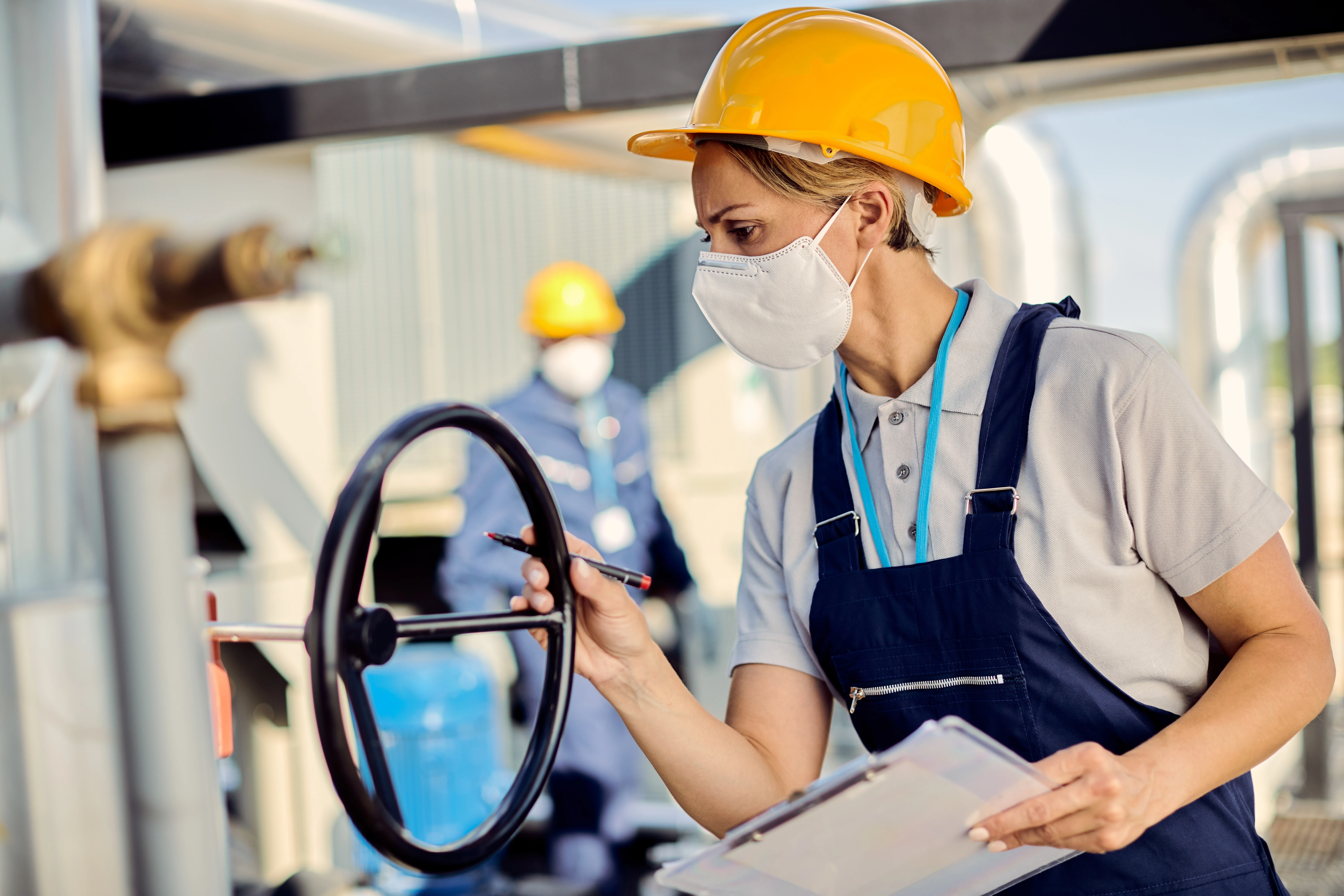


Did you know that nearly 25% of product defects in mass production can be traced back to issues in the initial production phase? For sourcing managers and logistics professionals handling high-end goods, overlooking problems early in the production process can mean costly rework, delayed shipments, and compromised brand reputation. A pre production inspection (PPI) in China or anywhere in your supply chain is your first line of defense against such risks, ensuring that raw materials, workmanship, and production lines meet the exacting standards your products demand.
What Is a Pre Production Inspection (PPI)?
A pre production inspection service in China is a systematic check of your manufacturer’s readiness before mass production begins. Unlike pre-shipment inspections, which evaluate finished goods, a PPI focuses on the initial production phase, verifying that materials, components, and processes align with your product specifications.
Key Objectives of PPI
- Confirm that raw materials meet quality and compliance standards.
- Validate the production line setup, machinery readiness, and assembly workflow.
- Identify potential quality issues that could escalate during mass production.
- Provide an actionable inspection report for corrective actions before costs mount.
Industry experience shows that implementing pre-production inspections can reduce defect rates by up to 30%, highlighting the tangible ROI of early-stage quality checks in high-value manufacturing.
Why Conduct a Pre Production Inspection in China?
China remains the leading global manufacturing hub for textiles, electronics, and luxury goods, but sourcing from overseas comes with inherent risks. Even top-tier factories can encounter challenges like inconsistent workmanship, raw material quality issues, or production line misalignment.
A pre-production inspection mitigates these risks by:
- Ensuring adherence to your quality standards before committing to full-scale manufacturing.
- Reducing the likelihood of production delays caused by defective materials or processes.
- Supporting supply chain efficiency by catching quality problems early, which is far cheaper than addressing issues post-shipment.
Core Components of a Pre Production Inspection Service
A comprehensive production inspection service will typically include:
1. Material Verification
- Check that raw materials meet agreed-upon specifications.
- Inspect textiles, metals, plastics, or electronic components for consistency.
- Confirm compliance with international standards like ISO.
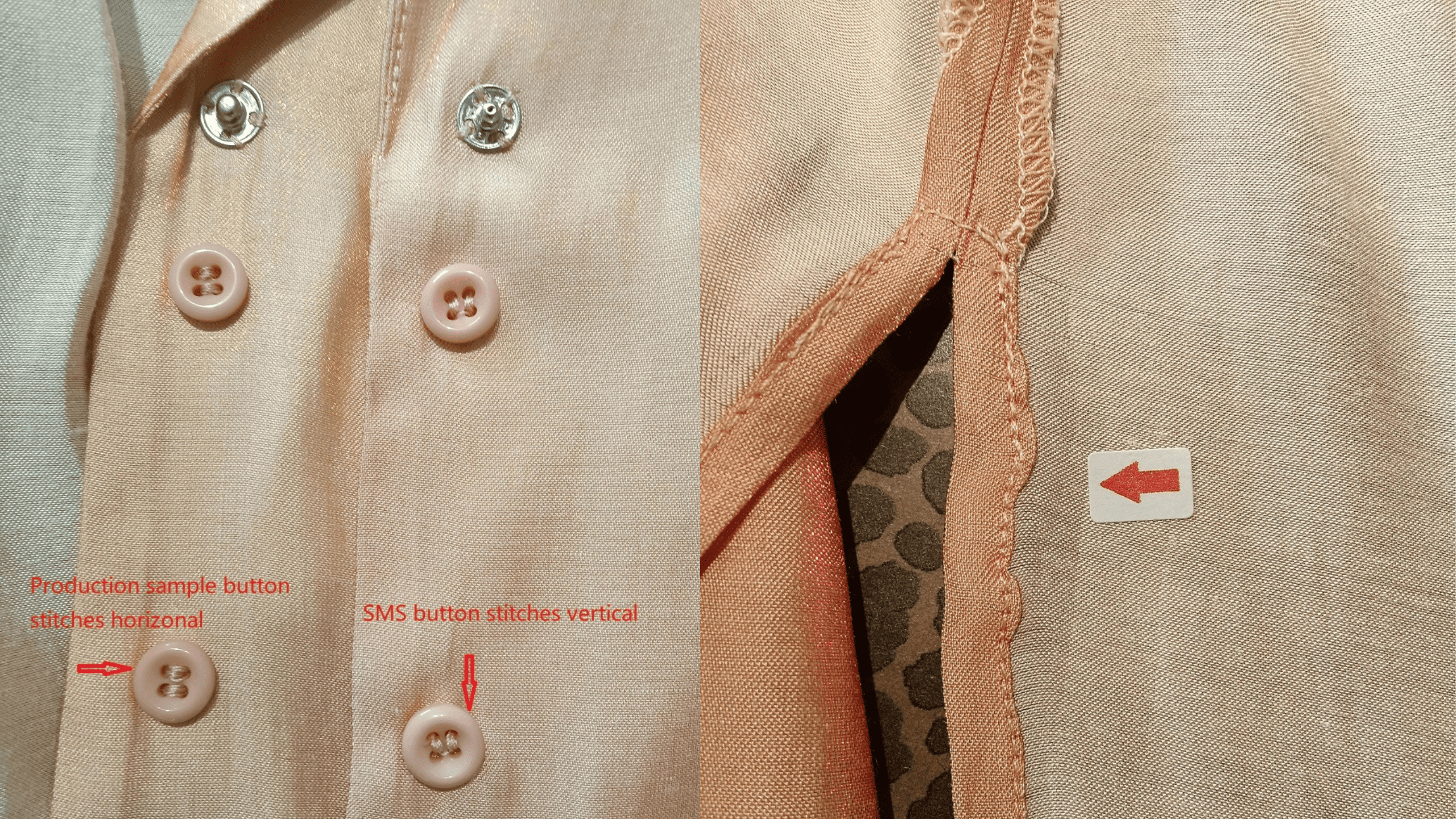
2. Component Sampling and Prototype Review
- Inspect initial samples and prototypes for dimensions, finishes, and functionality.
- Ensure workmanship aligns with your design intent.
3. Production Line & Process Audit
- Evaluate machinery, assembly lines, and production process readiness.
- Review factory workflows to identify bottlenecks or potential quality issues.
4. Compliance & Documentation
- Verify adherence to safety, regulatory, and contractual quality standards.
- Produce a detailed inspection report including sample reports, photos, and recommended corrective actions.
5. Corrective Actions & Follow-Up
- Highlight defects or misalignments early.
- Collaborate with the supplier to implement corrective actions before mass production begins.
Timing Your Pre Production Inspection
A PPI should ideally occur after initial samples are approved but before mass production starts. Scheduling too late can limit your ability to implement corrective actions, while conducting it too early may lead to false positives if the production line isn’t fully set up.
For ongoing orders, regular inspection monitoring including random inspections during production and pre-shipment inspections ensures continued compliance and minimizes surprises.
Choosing the Right Inspection Company
Selecting a third-party inspection service is critical for impartial and accurate reporting. When evaluating a China inspection company, consider:
- Experience with high-end goods and international sourcing.
- Detailed inspection checklists, sample reports, and corrective action tracking.
- On-site capabilities in major manufacturing hubs like Shenzhen, Hong Kong, and Guangzhou.
- Global coverage for suppliers in Vietnam, India, and Bangladesh for multi-country sourcing strategies.
Top providers typically offer services covering: initial production inspection, pre-shipment inspection, factory audit, and container loading supervision.
Best Practices for Maximizing PPI Effectiveness
- Provide Clear Product Specifications
Ensure your product specifications and quality standards are explicit. Include tolerances, AQL (Acceptance Quality Limits), and expected finished product quality. - Integrate PPI into the Production Schedule
Coordinate with suppliers to avoid production delays. The goal is proactive issue resolution, not last-minute firefighting. - Document Findings Thoroughly
Use inspection reports to guide corrective actions, track supplier performance, and strengthen overall supply chain quality assurance. - Leverage Data for Continuous Improvement
Analyzing trends from multiple PPIs, production checks, and pre-shipment inspections can help refine sourcing strategies and manufacturing processes across suppliers.
Cost vs. ROI: Why PPI Makes Financial Sense
While a pre-production inspection service in China comes with upfront costs, the ROI is significant:
- Avoiding defective mass production saves thousands in materials and labor.
- Minimizing returns or recalls protects brand reputation.
- Enhancing supplier accountability improves long-term supply chain resilience.
For example, an importer of high-end textiles might spend $180 - $300 per PPI, but catching a critical defect early could save tens of thousands in rework or lost shipments.
Securing Quality Before Mass Production
For companies producing high-end goods, skipping a pre production inspection is a risk no sourcing manager should take. From raw material verification to production line audits, a structured PPI ensures that manufacturing processes, workmanship, and finished products meet expectations before mass production. By integrating a PPI into your supply chain, you not only reduce quality issues but also enhance supplier accountability, production efficiency, and overall product quality.
Whether sourcing from China, Vietnam, Malaysia, or Bangladesh, partnering with a reputable inspection company is a practical, cost-effective step to safeguard your brand and your bottom line.
A check of raw materials, production lines, and initial samples before mass production to ensure product quality.
It prevents defects, ensures workmanship meets standards, and reduces costly rework before production.
Typically 1–3 days, depending on factory size, product complexity, and location.
Major hubs include Shenzhen, Hong Kong, Guangzhou, and Shanghai for electronics, textiles, and high-end goods.
It minimizes risks early, but ongoing quality control and pre-shipment inspections are recommended.
%20(1).png)


Ready for Supply Chain Predictability?
Importers using Silq ship smarter, safer, and with total control.