

Quality Control Inspectors in China | What High-End Brands Need to Know Before Goods Ship
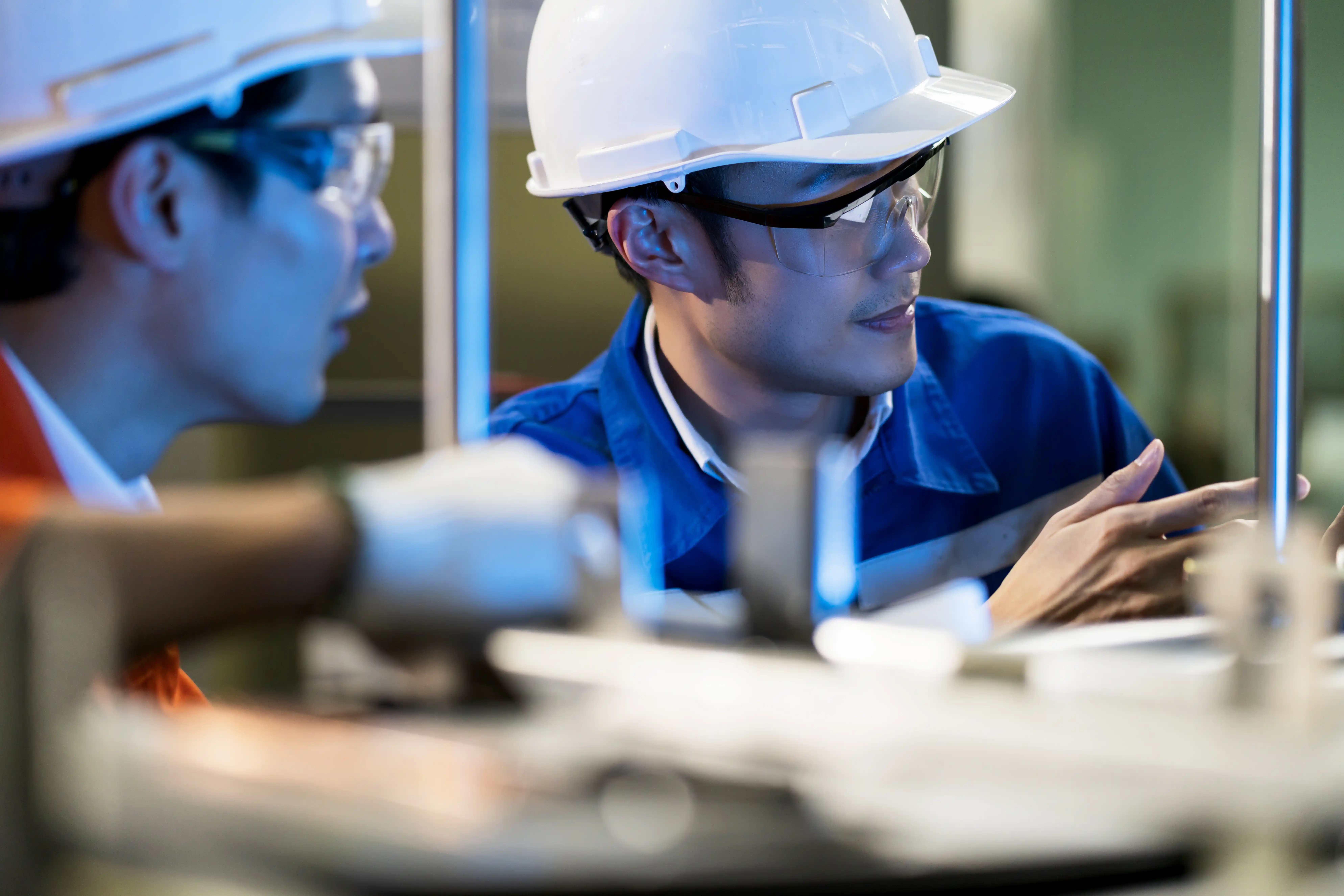


One missed defect can undo months of product development. For companies manufacturing high-end goods in China, quality failures don’t just impact margins - they damage brand reputation, customer satisfaction, and retailer trust. That’s why experienced importers rely on quality control inspectors in China to verify product quality, supplier compliance, and production readiness before goods ever leave the factory floor.
Whether you’re managing textiles, consumer goods, or complex softlines, quality control inspections are no longer optional. They are a core part of modern supply chain risk management.
What Do Quality Control Inspectors in China Actually Do?
Quality control inspectors are on-site professionals who assess whether products meet defined quality requirements, specifications, and international standards during the manufacturing process. Acting independently from Chinese suppliers, they provide an objective view of production conditions, workmanship, and compliance.
A qualified quality control company evaluates:
- Product quality against approved samples
- Manufacturing process and production controls
- Raw materials and component consistency
- Packaging, labeling, and shipping readiness
- Corrective action plans when quality issues arise
For importers managing overseas production, inspectors function as an extension of your quality assurance and quality management system - without the cost of maintaining in-housed teams in China.
Why Third-Party Inspection Is Essential in Chinese Manufacturing
Factory self-checks serve the factory’s interests, not yours. Production pressure, tight timelines, and cost targets often lead to:
- Material substitution
- Rushed finishing
- Inconsistent workmanship
- Incomplete internal inspections
A third-party inspection company eliminates this conflict of interest. Independent inspectors focus on defective products, compliance, and risk exposure - not output volume.
This is particularly critical for high-end brands shipping through Shanghai, Shenzhen, Guangdong, and Hong Kong–linked supply chains, where production speed can easily outpace quality control.
Where Inspections Fit in the Production Process
Effective quality control inspections span the full production process, not just the final shipment.
Pre-Production Inspection (Pre-Production / PPI)
Before mass production begins, inspectors verify:
- Approved samples and prototypes
- Raw materials and component quality
- Factory readiness and tooling
- Alignment with quality standards
This stage is especially important for prototyping, new SKUs, or first-time Chinese suppliers.
During Production Inspection (DUPRO / Inline Inspection)
A during production inspection occurs when 10–20% of goods are completed. It helps catch:
- Process deviations
- Measurement inconsistencies
- Workmanship issues
- Early signs of systemic defects
Corrective action at this stage prevents costly rework later.
Read More: During Production Inspection | Inline Quality Control Guide
Pre-Shipment Inspection (PSI)
A pre-shipment inspection (PSI) verifies finished goods before release. Inspectors:
- Apply AQL (Acceptable Quality Level) sampling
- Check functionality, labeling, and packaging
- Validate quantities and carton markings
- Confirm compliance with buyer quality requirements
This is the final gate before payment and shipment approval.
Read More: Pre-Shipment Inspection in China | What Importers Must Know
Container Loading Supervision
Even compliant products can be damaged during loading. Container loading supervision ensures:
- Correct quantities are loaded
- Cartons are handled properly
- No unauthorized substitutions occur
- Containers are sealed correctly
For high-value shipments, this step protects against losses at origin.
Inspection Reports, Sample Reports, and Documentation
Professional inspection services deliver detailed reports, not vague pass/fail summaries. A proper inspection report includes:
- Product photos and defect classification
- Measurements and test results
- AQL calculations
- Packaging and labeling verification
- Corrective action recommendations
Many quality control inspectors provide a sample report upfront so importers understand reporting depth before booking services.
Factory Audits, Supplier Audits, and Audit Services
Inspections focus on products; factory audits assess systems.
Supplier Audits
Evaluate:
- Production capacity
- Quality management systems
- Social compliance
- Workforce conditions
Factory Audits
Review:
- ISO-aligned management system controls
- Process documentation
- Traceability
- Continuous improvement practices
Audit services are critical for retailers and brands concerned with social compliance, long-term supplier reliability, and scalability.
Product Testing and Lab Testing
For regulated categories, inspection alone isn’t enough.
Product testing and lab testing validate:
- Safety standards
- Performance requirements
- Chemical and material compliance
This is especially relevant for consumer goods, textiles, and softlines destined for the US or EU markets.
China vs Vietnam: Why Inspection Expectations Differ
Many importers now source from both China and Vietnam, but inspection strategies shouldn’t be identical.
China offers:
- Mature manufacturing ecosystems
- Higher production speed
- More complex supplier networks
Vietnam offers:
- Lower labor costs
- Smaller factory scale
- Less standardized quality systems
In China, QC inspections and supplier audits are essential to manage volume and consistency. In Vietnam, inspections often focus more heavily on process discipline and training gaps.
Industries That Rely Most on Quality Control Inspections
Quality control inspectors support a wide range of industries:
- Textiles and apparel
- Consumer goods
- Softlines for retailers
- Electronics accessories
- Home and lifestyle products
High-end brands depend on inspections to ensure products meet international quality standards and protect long-term customer satisfaction.
Pricing: What Quality Control Services Cost
Inspection pricing is typically calculated per man-day. Most services range between USD 180–280 per day, depending on:
- Location (Shanghai, Shenzhen, Guangdong, etc.)
- Product complexity
- Inspection scope
- Reporting requirements
Cheapest is rarely best. Under-priced inspections often lack:
- Thorough sampling
- Clear defect classification
- Actionable reporting
What to Look for in a Quality Control Company
Choose partners with:
- Proven years of experience
- Strong on-site inspection coverage
- Industry-specific expertise
- Transparent pricing
- Clear escalation and corrective action workflows
Avoid inspection companies that outsource blindly or rely solely on freelancers without centralized quality management.
Common Quality Issues Inspectors Catch Early
Experienced quality control inspectors routinely prevent:
- Incorrect raw materials
- Measurement deviations
- Poor finishing
- Packaging failures
- Labeling non-compliance
Catching these issues before shipping protects brand reputation, reduces returns, and avoids downstream supply chain disruption.
What Experienced Importers Do Differently
Quality control inspectors in China are not a cost; they are a risk-control mechanism. For logistics and sourcing professionals responsible for high-value goods, inspections, audits, and testing services ensure products meet expectations before they reach customers.
In global sourcing, visibility equals control. And in Chinese manufacturing, on-site inspections remain the most reliable way to maintain quality at scale.qua
Product quality, workmanship, packaging, labeling, and compliance with buyer specifications.
Before production, during production, and before shipment.
AQL is a sampling standard used to determine acceptable defect levels in a batch.
Typically USD 180–280per inspector per man-day.
Yes, audits assess supplier systems; inspections check finished products.
%20(1).png)


Ready for Supply Chain Predictability?
Importers using Silq ship smarter, safer, and with total control.