

Textile Quality Control | What High-End Brands Can’t Afford to Get Wrong



A single overlooked defect can turn a premium product into an expensive liability. In the textile industry, quality issues rarely announce themselves early; they surface after dyeing, during shipment, or worse, in the customer’s hands. For logistics, sourcing, and product development professionals managing high-end goods, textile quality control is not a factory-side checkbox. It plays a crucial role in protecting margins, meeting customer expectations, and safeguarding brand reputation.
This guide breaks down how effective quality control works across textile manufacturing, what standards actually matter, and where quality control systems fail most often.
What Is Textile Quality Control?
Textile quality control refers to the structured inspection process, testing, and verification activities used to ensure raw materials, in-process goods, and finished products meet defined quality standards. It spans the entire production process from fiber selection and knitting to dyeing, finishing, and final inspection.
It’s important to separate quality assurance from quality control:
- Quality assurance focuses on systems, standards, and preventive controls
- Quality control focuses on inspection, testing, and measurement of actual products
High-performing supply chains rely on both.
Why Textile Quality Control Matters More for High-End Goods
Luxury and premium brands operate with tighter tolerances and higher customer expectations. Minor defects tolerated in mass-market apparel can trigger returns, chargebacks, or wholesale penalties at the high end.
Apparel items often experience high return rates due to fit, sizing, and quality issues, with average online return rates ranging from about 20-30%, and fit and size discrepancies accounting for over 50% of returns in some studies.
The risks are amplified by:
- Globalized sourcing
- Longer lead times
- Multiple subcontractors
- Compressed production schedules
Without an effective quality control system, defects scale fast and fixes get expensive.
Quality Control Starts with Raw Materials
Fabric Quality Is Set Early
Most downstream quality issues trace back to raw materials. Fiber composition, yarn quality, and fabric construction directly affect durability, functionality, and appearance.
Key raw material checks include:
- Fiber content verification
- Yarn count and consistency
- Fabric weight (GSM)
- Knitting or weaving defects
A structured fabric inspection at this stage prevents avoidable rework later in the manufacturing process.
Quality Parameters That Actually Matter
Physical and Performance Characteristics
High-quality textiles must meet measurable benchmarks, not subjective assessments. Common quality parameters include:
- Tensile strength and elongation (fabric strength and stretch behavior)
- Abrasion and pilling resistance
- Dimensional stability and shrinkage after washing
- Colorfastness to washing, rubbing, and light
- Repellency for treated or technical fabrics
These attributes are validated through physical testing and standardized test methods, not visual checks alone.
Textile Quality Control During the Production Process
Pre-Production Controls
Pre-production is where quality control is most cost-effective.
Key activities include:
- Pre-production sample approvals
- Measurement tolerances confirmation
- Process capability reviews
- Factory audits for machinery, skills, and capacity
Catching alignment issues here prevents downstream production line disruptions.
In-Line Production Inspection
In-line inspections monitor quality while goods are being produced, not after completion.
They focus on:
- Stitch density and workmanship
- Dyeing consistency
- Component alignment
- Early detection of quality issues
This allows corrective action before defects multiply across the production line.
Read More: During Production Inspection | Inline Quality Control Guide
Final Inspection and Finished Products
Final inspection verifies that finished products meet approved specifications before shipment.
This includes:
- Visual defect checks
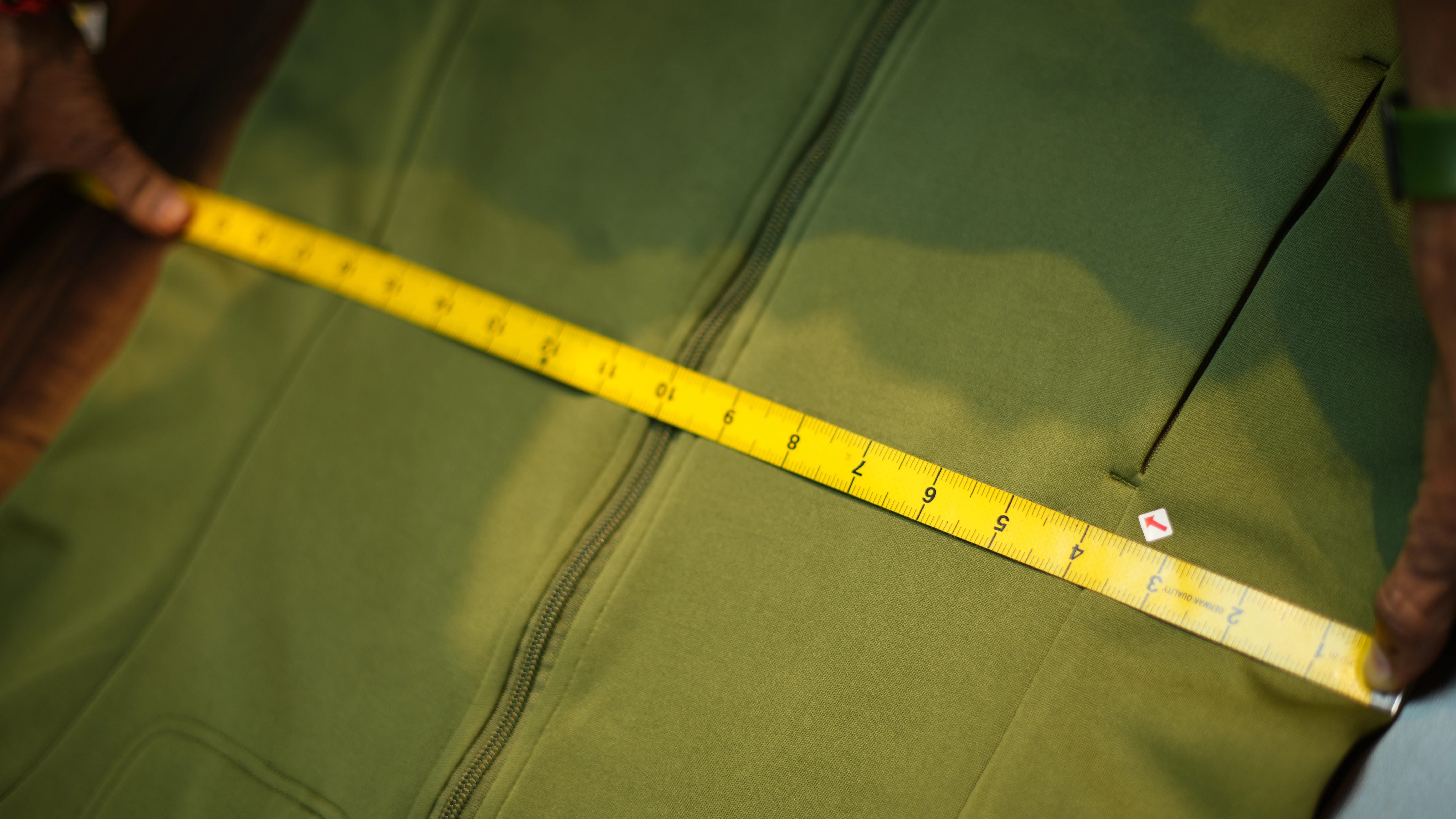
- Measurement verification within defined tolerances
- Packaging and labeling accuracy
- Quantity confirmation
Final inspection is critical; but it should never be the first time quality is checked.
Read More: Pre-Shipment Inspection Guide [Free Checklist Inside]
Textile Testing Standards and Methods
ISO, AATCC, and Industry Benchmarks
Reputable textile quality control relies on recognized standards.
Common references include:
- ISO standards for textile manufacturing and testing
- AATCC test methods for colorfastness, abrasion, and durability
- Buyer-specific quality standards
For example:
- AATCC TM61 evaluates colorfastness to laundering
- ISO 12945 measures pilling resistance
Using standardized test methods ensures consistency across suppliers and regions.
Quality Control in Garment Manufacturing
Apparel Quality Requires Precision
Garment manufacturing adds complexity beyond fabric quality alone.
Key garment quality checks include:
- Seam strength and construction
- Fit consistency across size runs
- Symmetry and alignment
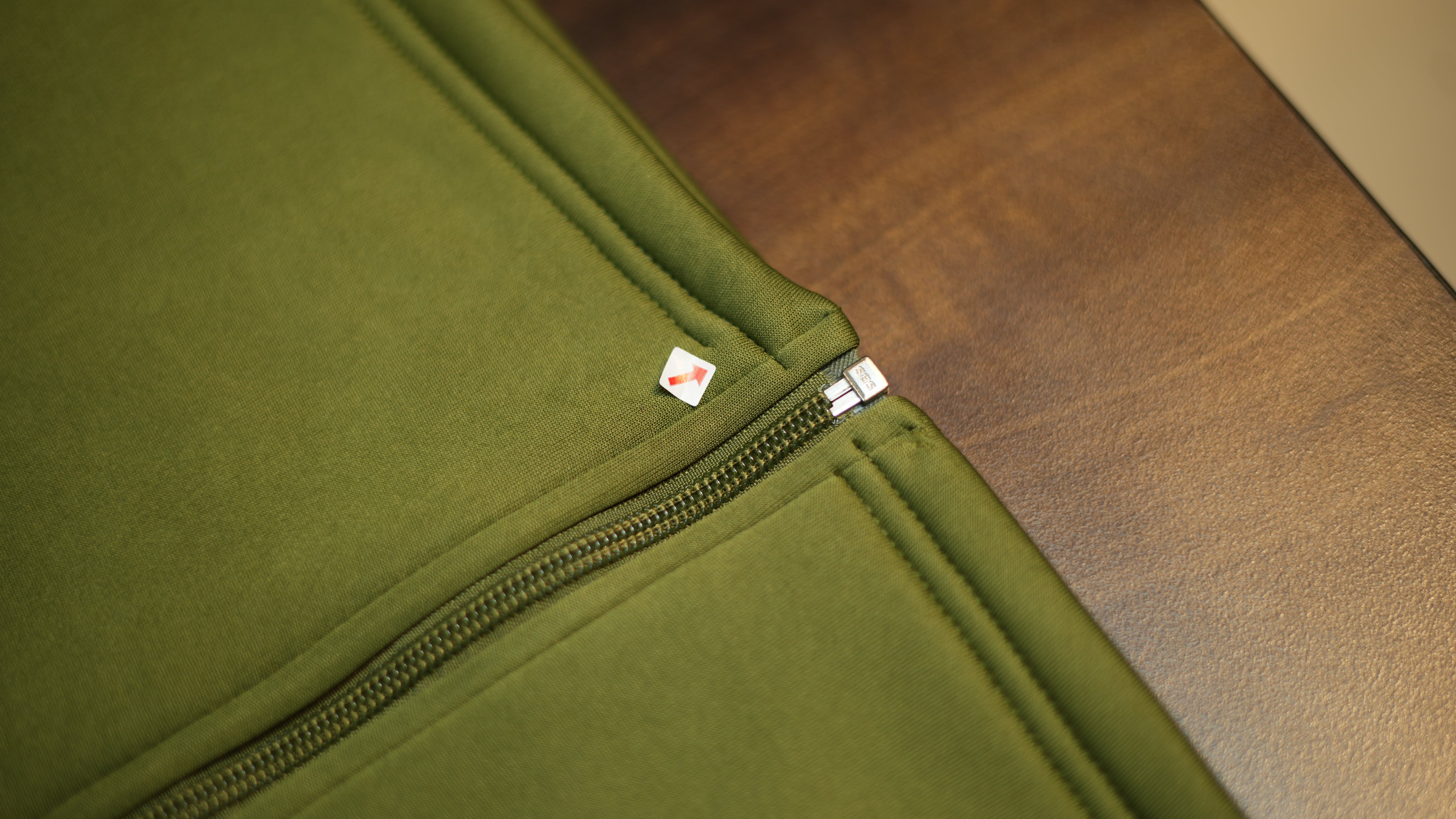
- Functionality of trims and closures
Poor garment quality often stems from rushed production inspection or inconsistent operator skill.
Read More: Apparel Testing and Quality Control | Smarter Sourcing
Common Textile Quality Issues and Their Root Causes
Recurring issues include:
- Excessive shrinkage due to improper finishing
- Color variation from uncontrolled dyeing conditions
- Pilling caused by low yarn quality
- Dimensional instability from inadequate fabric relaxation
These are not random defects. They point to breakdowns in the quality control process.
Textile Quality Control and the Supply Chain
Why Logistics Teams Should Care
Quality issues don’t stop at the factory gate. They impact:
- Shipment delays
- Rejected containers
- Inventory write-offs
- Reverse logistics costs
Integrating quality control with supply chain planning reduces disruptions and improves resiliency.
Sustainability and Quality Control
Sustainability goals fail when quality fails. Defective goods mean:
- Waste
- Reprocessing
- Increased carbon footprint
Strong quality control supports sustainability by reducing rework, overproduction, and disposal.
Building an Effective Quality Control System
An effective quality control system includes:
- Clear quality standards
- Defined inspection points
- Qualified inspectors
- Documented results
- Feedback loops to sourcing and product teams
Quality control works best when treated as a control mechanism not an afterthought.
Measuring Success: Quality Benchmarks That Matter
Track metrics that reflect real performance:
- First-pass yield
- Defect rate by supplier
- Inspection failure trends
- Customer satisfaction and return rates
These benchmarks turn quality control into a management tool, not just an inspection activity.
Quality Is a Supply Chain Decision, Not a Factory Problem
Textile quality control is not about perfection, it’s about predictability. For high-end brands, predictability protects margins, reinforces customer trust, and preserves brand reputation.
When quality control is embedded across sourcing, textile production, and logistics, it becomes a competitive advantage. When it’s treated as a final hurdle, it becomes a recurring cost.
For professionals responsible for garment quality, supply chain efficiency, and customer satisfaction, investing in structured, standards-based textile quality control isn’t optional; it's operational discipline.
It is the inspection and testing of textiles to ensure they meet defined quality standards before shipment.
At the raw material stage, during production, and before final shipment.
Shrinkage, colorfastness problems, pilling, and dimensional instability.
ISO standards and AATCC test methods are most commonly used.
It protects brand reputation, reduces returns, and ensures consistent product quality.




Ready for Supply Chain Predictability?
Importers using Silq ship smarter, safer, and with total control.