



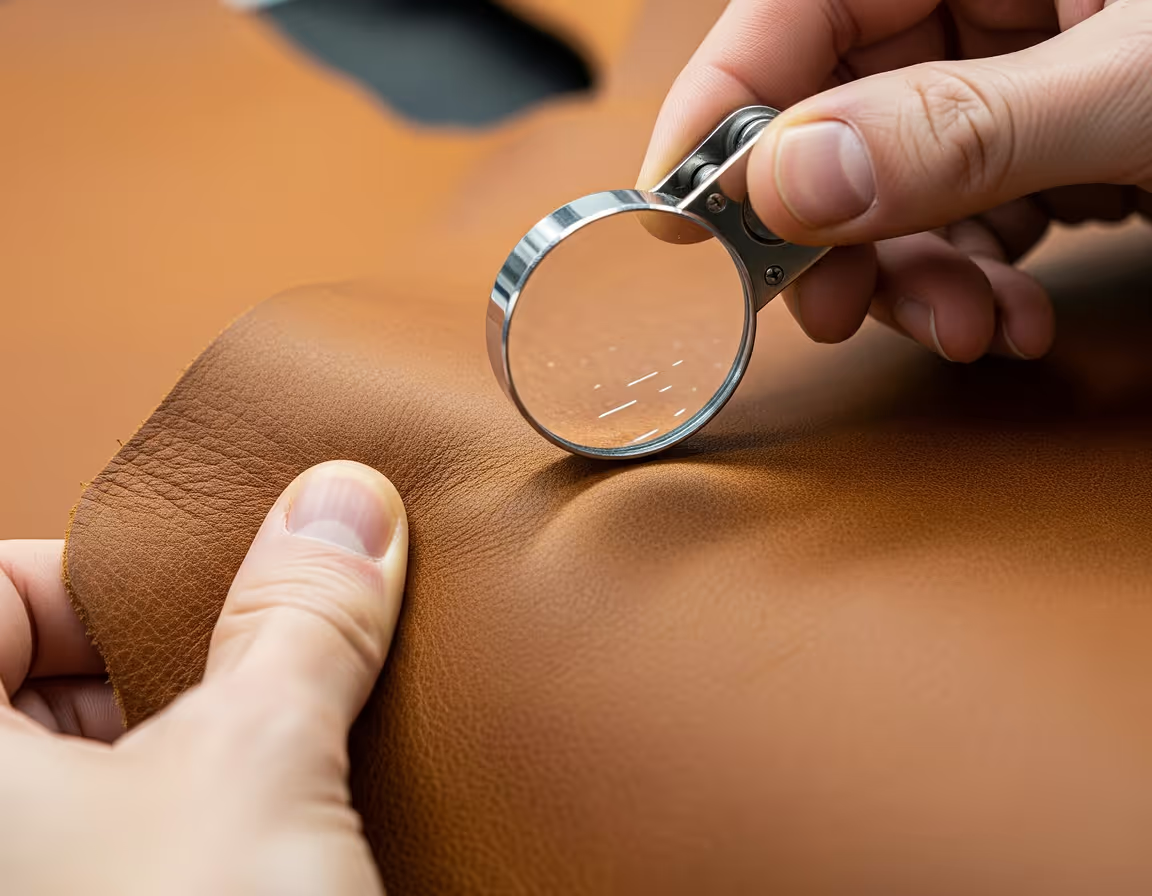
Leather Quality Control
Our on-site quality control in the leather industry ensures every batch meets defined quality standards and buyer specifications before shipment across China, India, Vietnam, and Indonesia.

Identify defects across raw materials and finished products early
Ensure consistency across different types of leather including full-grain leather, top-grain leather, suede, and bonded leather
Verify color fastness, tensile strength, and durability through physical tests
Validate labeling, certifications, and compliance requirements
AQL-based sampling to maintain consistent quality across production batches
Ship high-quality leather goods with confidence
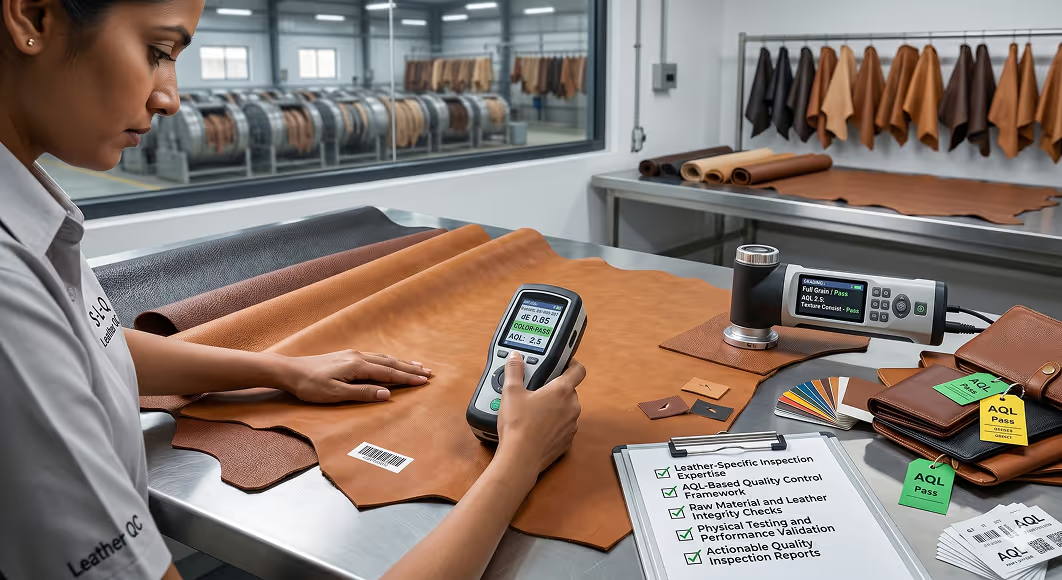
Leather-Specific Inspection Expertise
Coverage across leather goods including handbags, wallets, accessories, and finished leather products, with tailored inspection checkpoints for material quality, finishing, durability, and functionality.
AQL-Based Quality Control Framework
Standardized leather quality control aligned with acceptable quality limits (AQL), ensuring consistent inspection outcomes and reliable shipment decisions across high-volume production.
On-Site Inspection Across Production Stages
On-site inspections across pre-production, during production (DUPRO), and pre-shipment stages ensure control throughout the full leather manufacturing process from raw materials to final product.
Raw Material and Leather Integrity Checks
Verification of raw hides, animal hide quality, tanning process (including chrome tanning and vegetable tanned leather), and material grading such as full-grain leather, top-grain leather, and genuine leather to ensure durability and consistency.
Physical Testing and Performance Validation
Testing for tensile strength, water absorption, color fastness, and overall durability to ensure leather products meet performance expectations and long-term usability standards.
Actionable Quality Inspection Reports
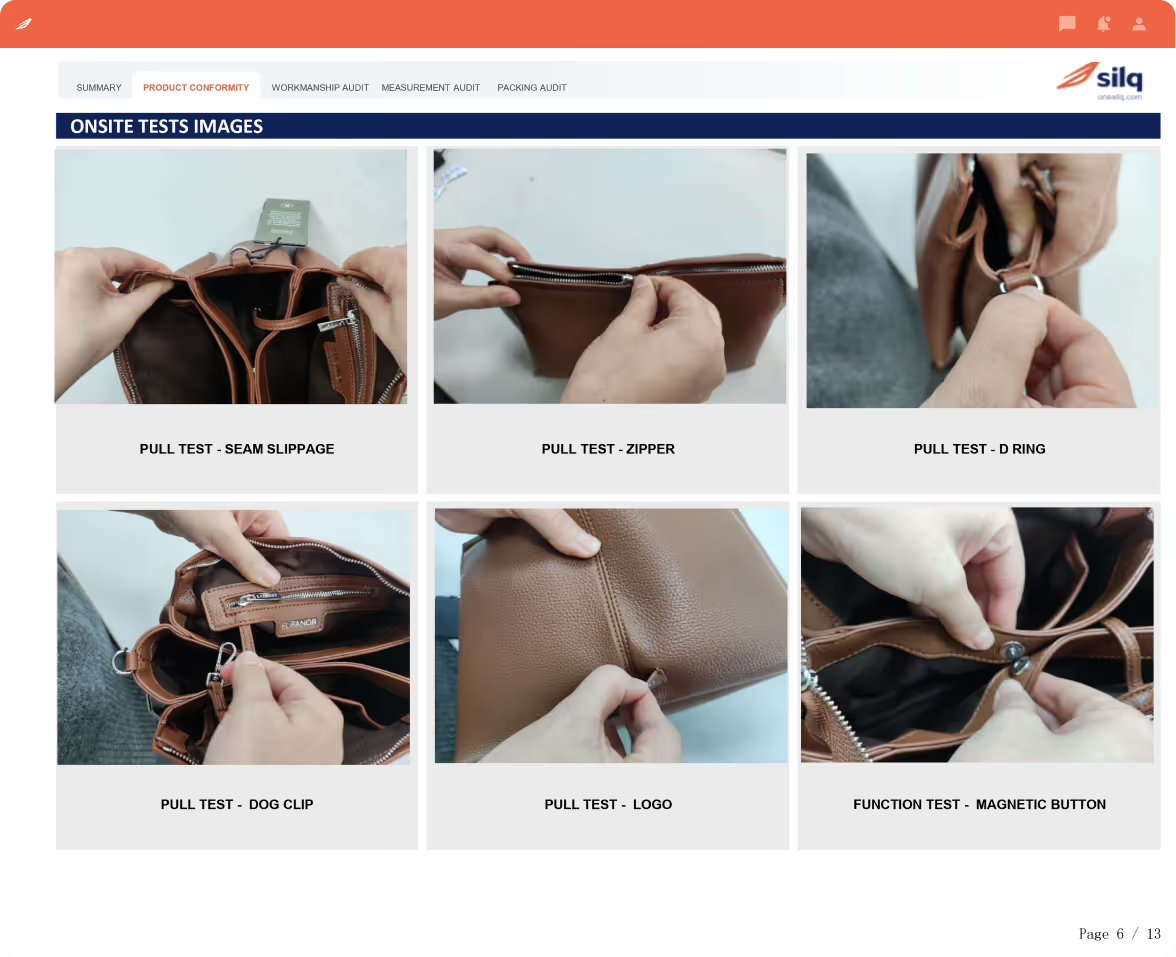
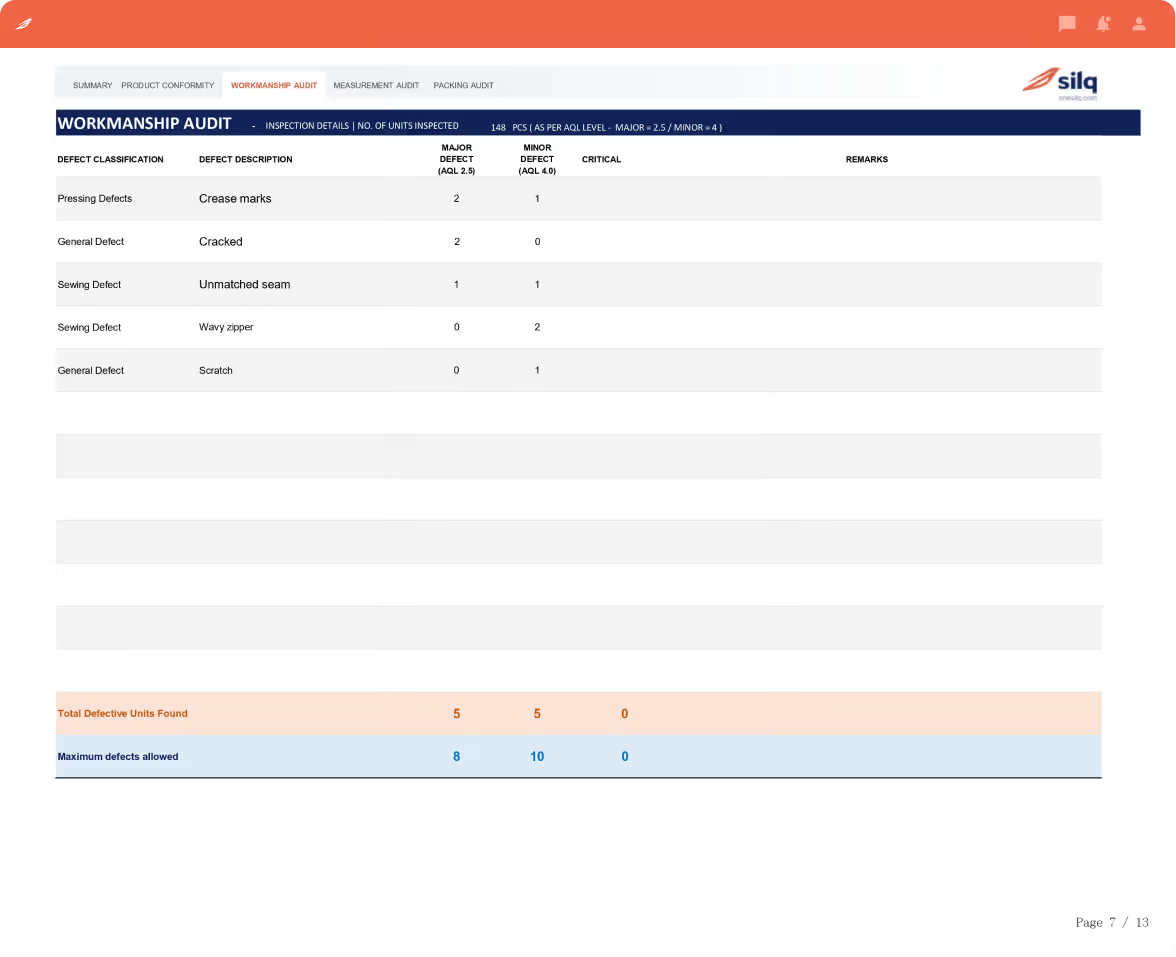
Digital reports with AQL-based results, defect classification (critical, major, minor), and high-resolution images enabling faster, data-driven decisions across sourcing and quality teams.
Integrated Inspection and Quality Assurance Services
Combines leather inspection, supplier audits, and product testing to deliver end-to-end quality assurance across suppliers in China, India, Vietnam, and Indonesia.
Trusted by the Best








Inspection Stages That Protect Your Leather Production
Factory Audit
Stage
Before supplier onboarding or production confirmation
Prevents
Working with tanneries or manufacturers lacking proper quality management systems
Focus
Evaluates leather manufacturing capabilities, certifications, and compliance

Pre-Production Sample Inspection
Stage
Before bulk production begins
Prevents
Misalignment on leather grade, finish, and product specifications
Focus
Ensures approved samples reflect expected quality of leather and workmanship
During Production Inspection
Stage
10-20% into production
Prevents
Scaling of defects across batches
Focus
Controls consistency in leather working, tanning process, and product assembly
Pre Shipment Inspection
Stage
80-100% production completion
Prevents
Shipment of defective or non-compliant leather goods
Focus
AQL-based inspection verifying durability, functionality, labeling, and packaging
Surface Cracks & Weak Grain: Impacts durability and long-term wear
Uneven Color & Dyeing Issues: Poor color fastness and inconsistent finishes
Low-Quality Leather Substitution: Use of bonded leather or lower-grade materials instead of high-quality leather
Excessive Water Absorption: Indicates poor tanning process and reduced durability
Weak Tensile Strength: Reduced resistance to stress and wear
Odor & Chemical Residue: Poor handling of chromium or tanning chemicals
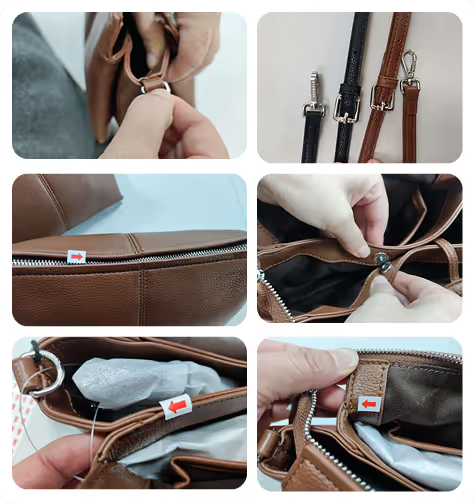
Poor Stitching & Assembly: Impacts functionality of leather bags, wallets, and accessories
Surface Imperfections: Scratches, scars, and defects affecting natural grain and aesthetics
The Financial Impact of Leather Quality Failures
Leather defects extend beyond product issues; they directly impact margins, brand positioning, and retailer relationships. Without structured quality control in the leather industry, small inconsistencies in raw materials or production processes can escalate into large-scale losses.
Where the Cost Adds Up
Return Rate Increase
Defects in durability, functionality, or leather quality lead to higher return rates especially for premium leather goods where expectations are high.
Retailer & Marketplace Penalties
Failure to meet quality standards or certification requirements can result in chargebacks, listing removals, and compliance risks.
Brand Reputation Damage
Low-quality leather products directly impact reviews and customer trust especially for high-end positioning.
Rework & Replacement Costs
Defective shipments require reprocessing, reverse logistics, and additional freight significantly increasing operational costs.


What You’ll Receive in Your
Leather Inspection Report
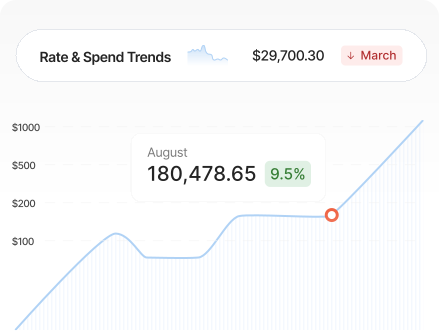
Leather quality control reports provide clear visibility into product quality before shipment, supporting fast decisions across the leather manufacturing process and supply chain aligned with your specific requirements, safety standards, and acceptable quality limits (AQL).
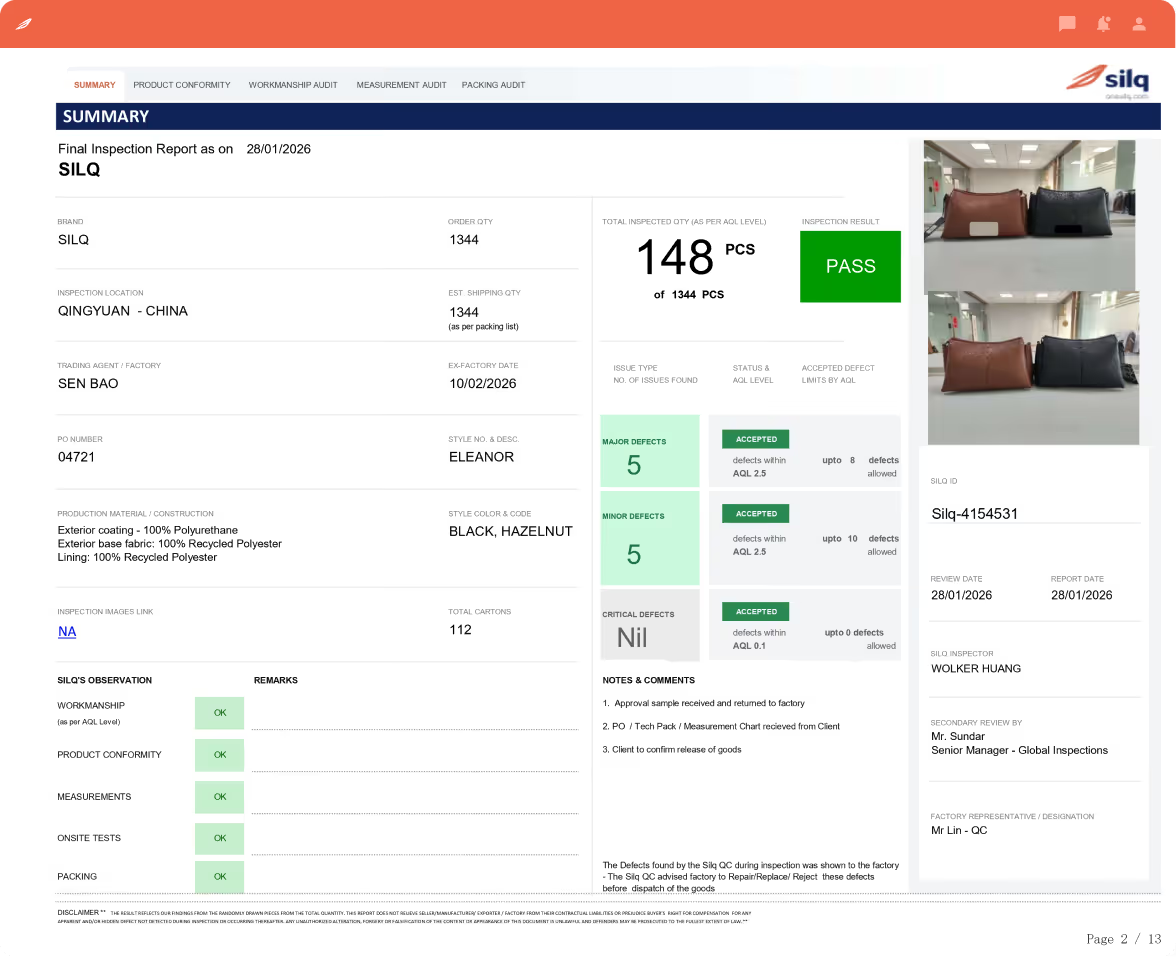
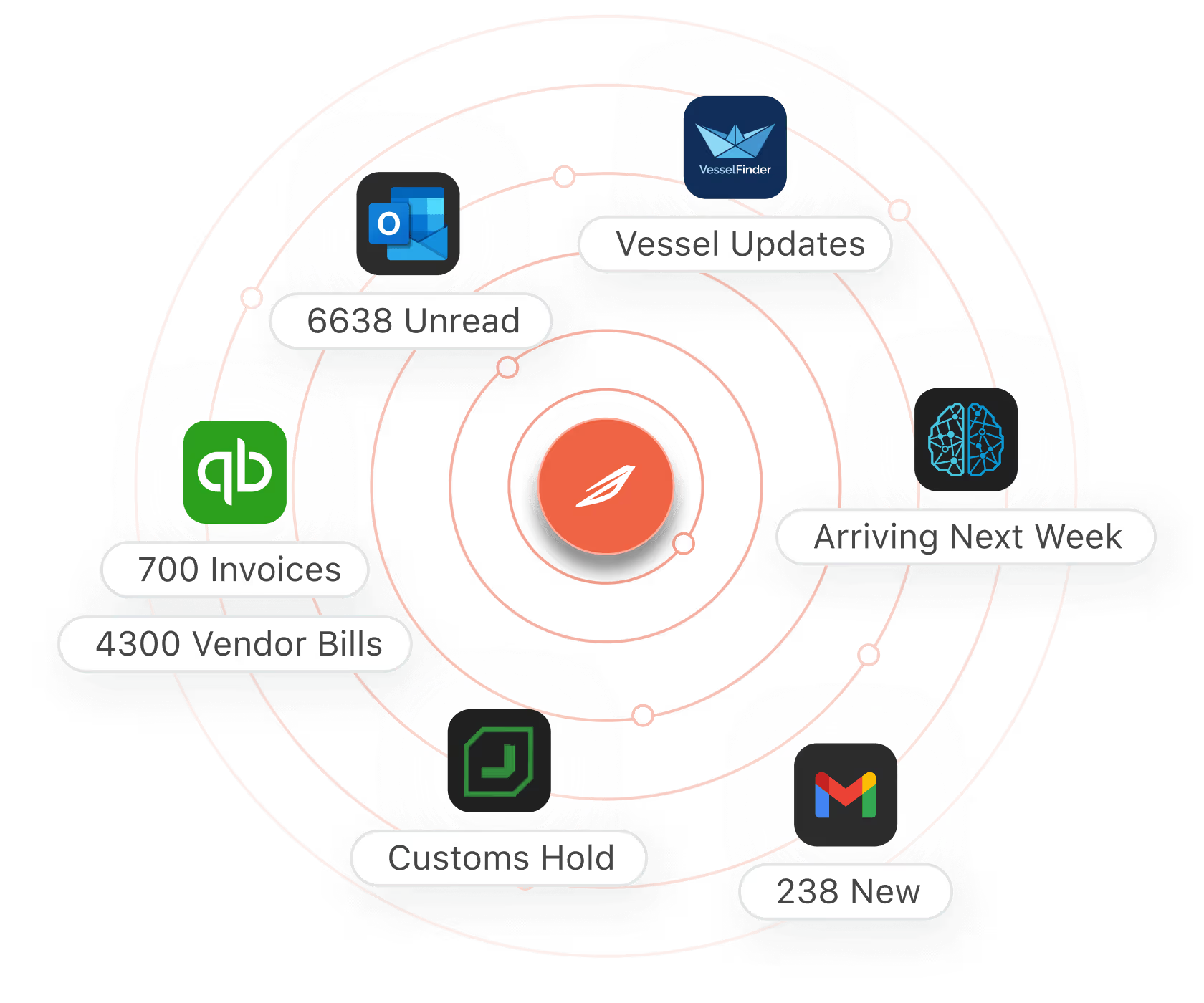
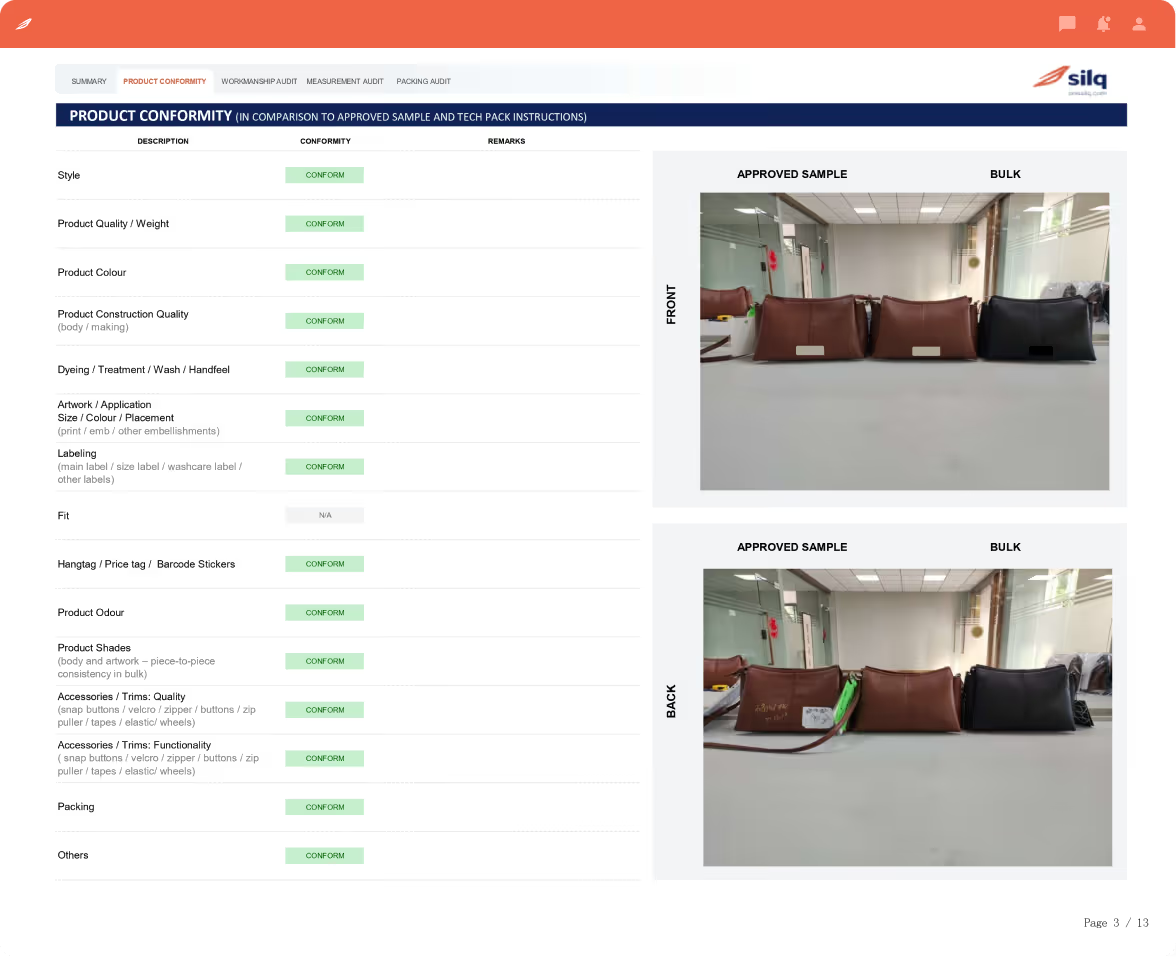
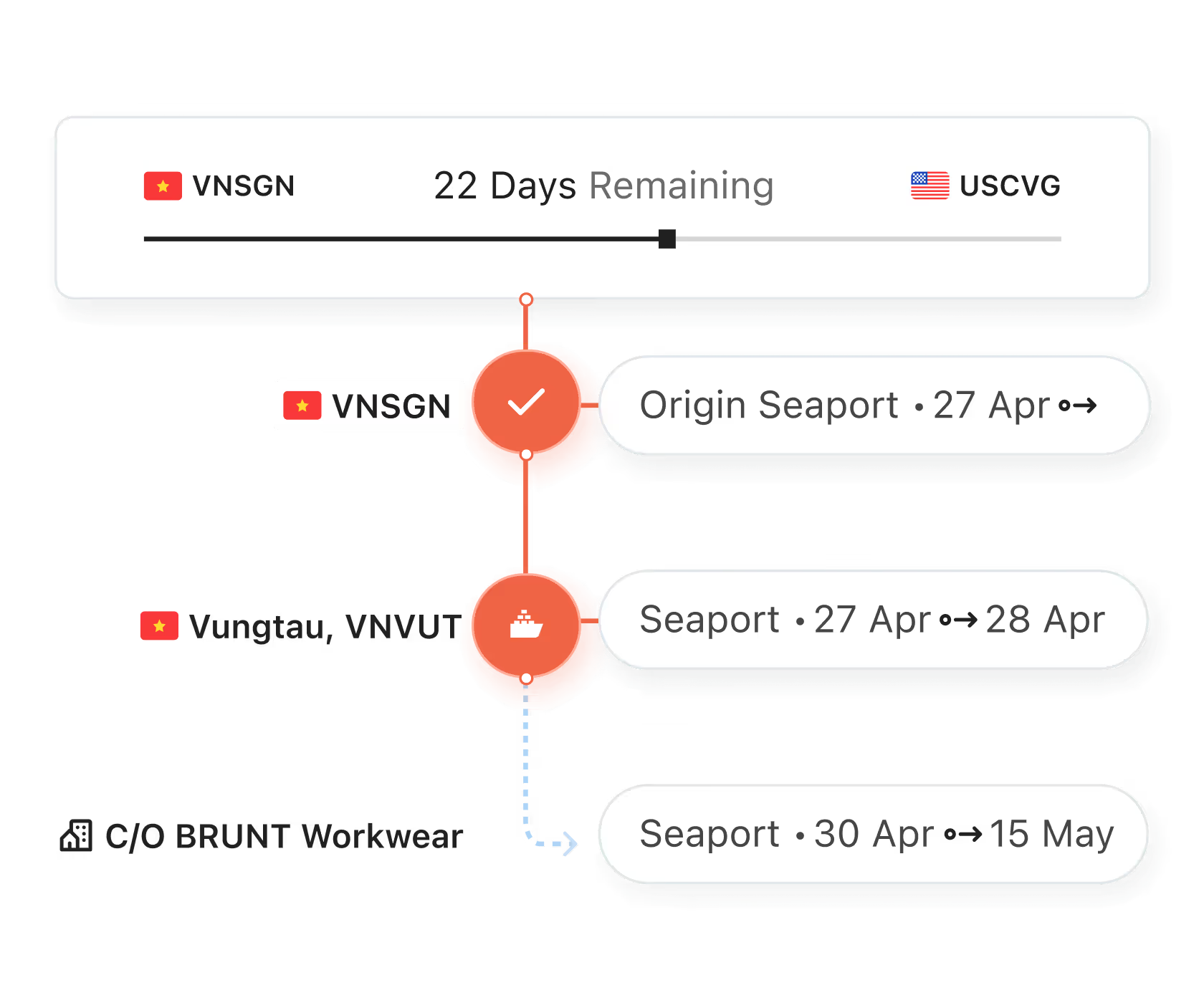
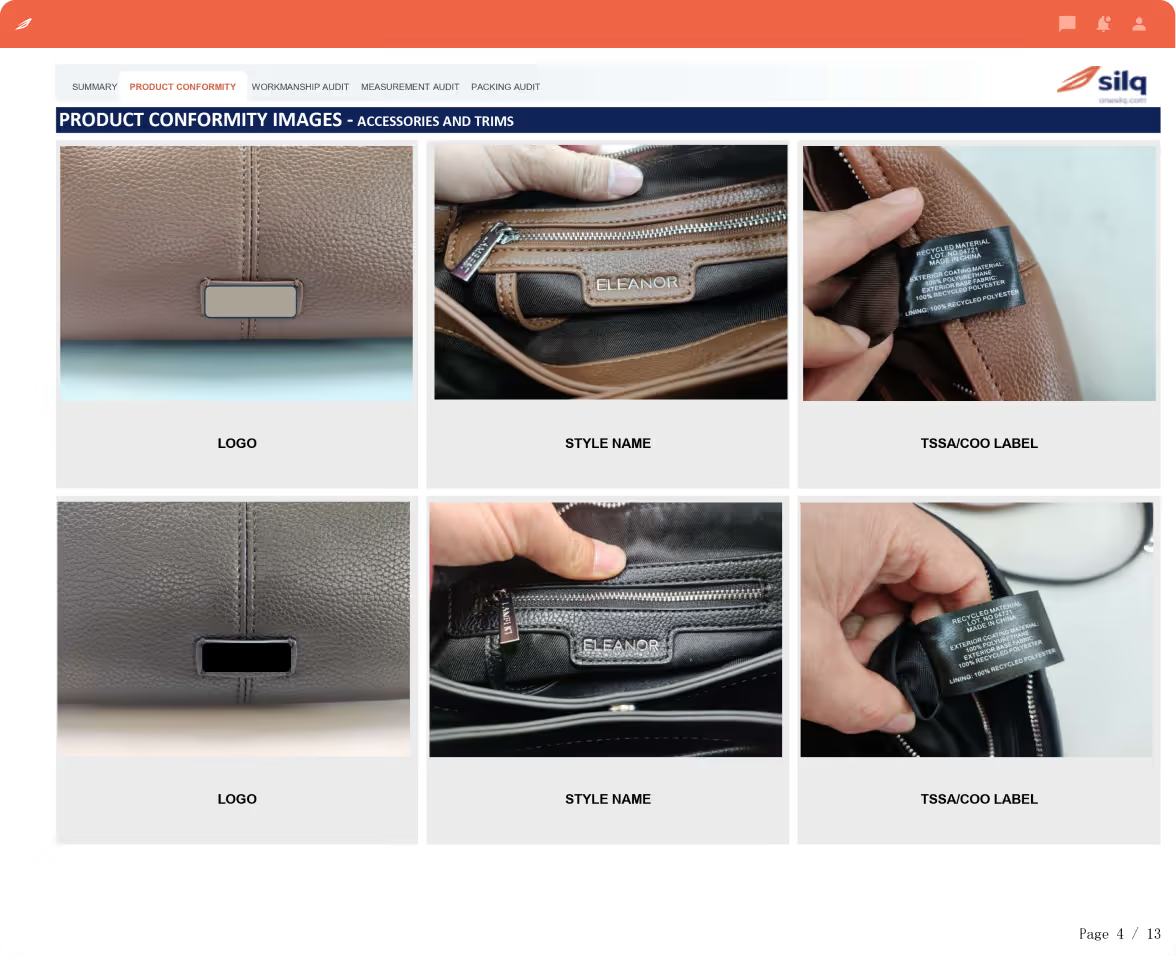
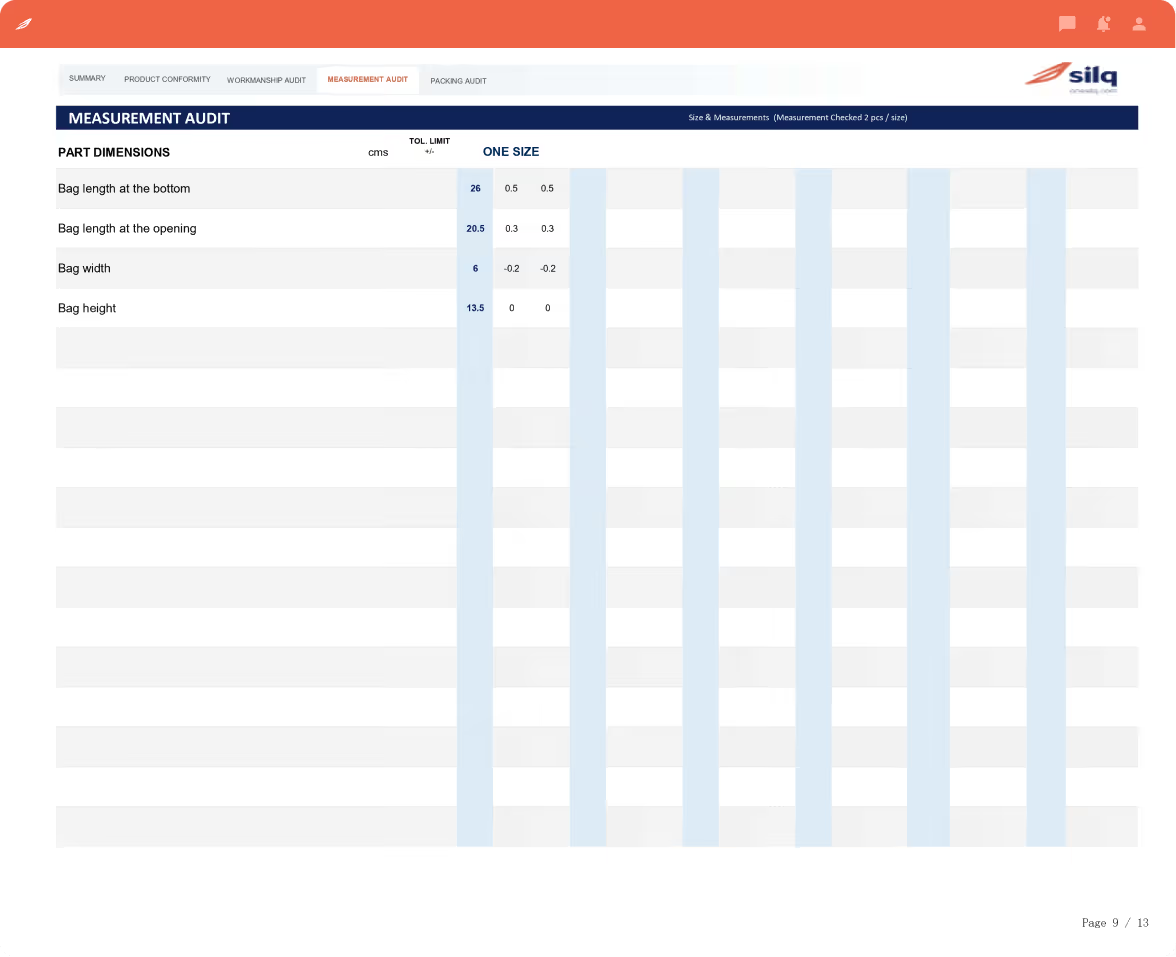
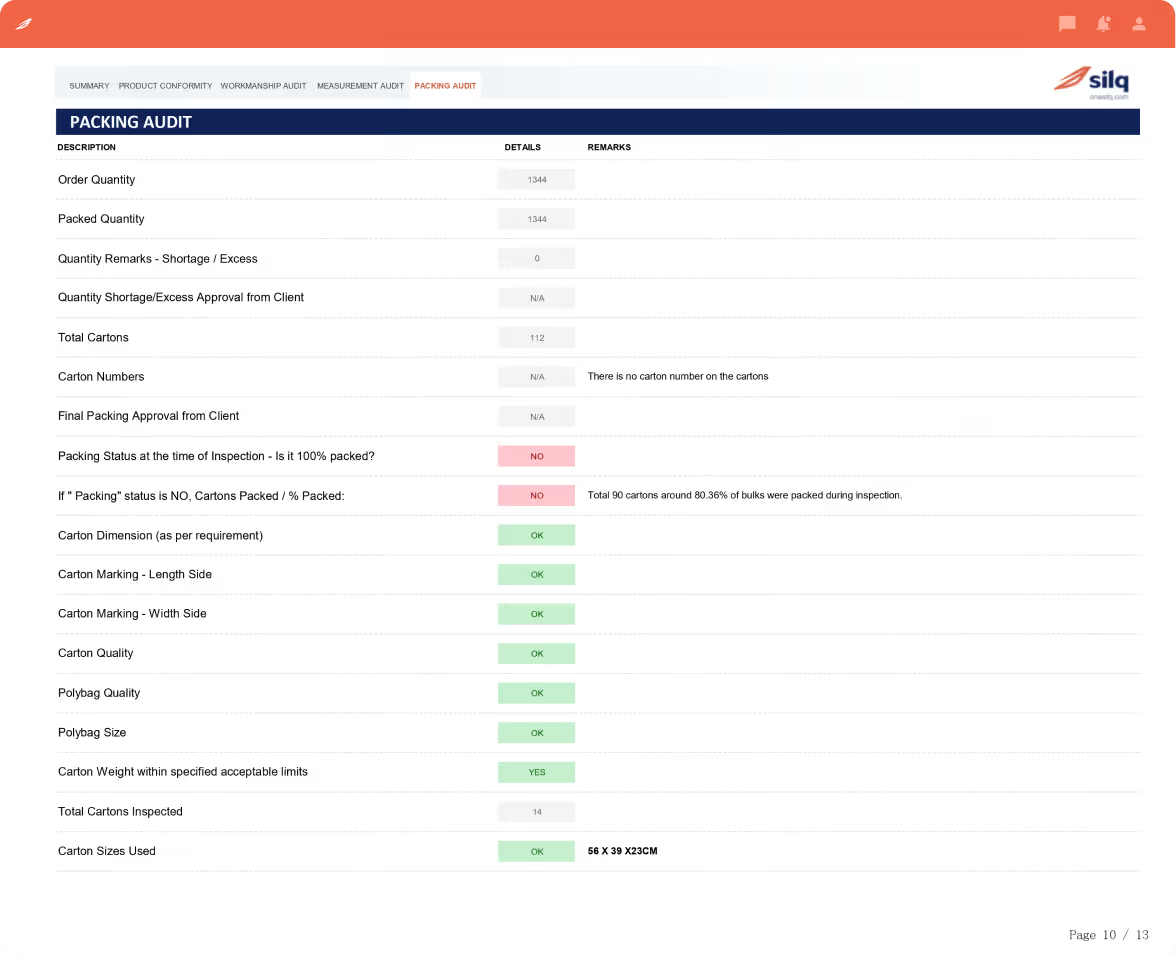
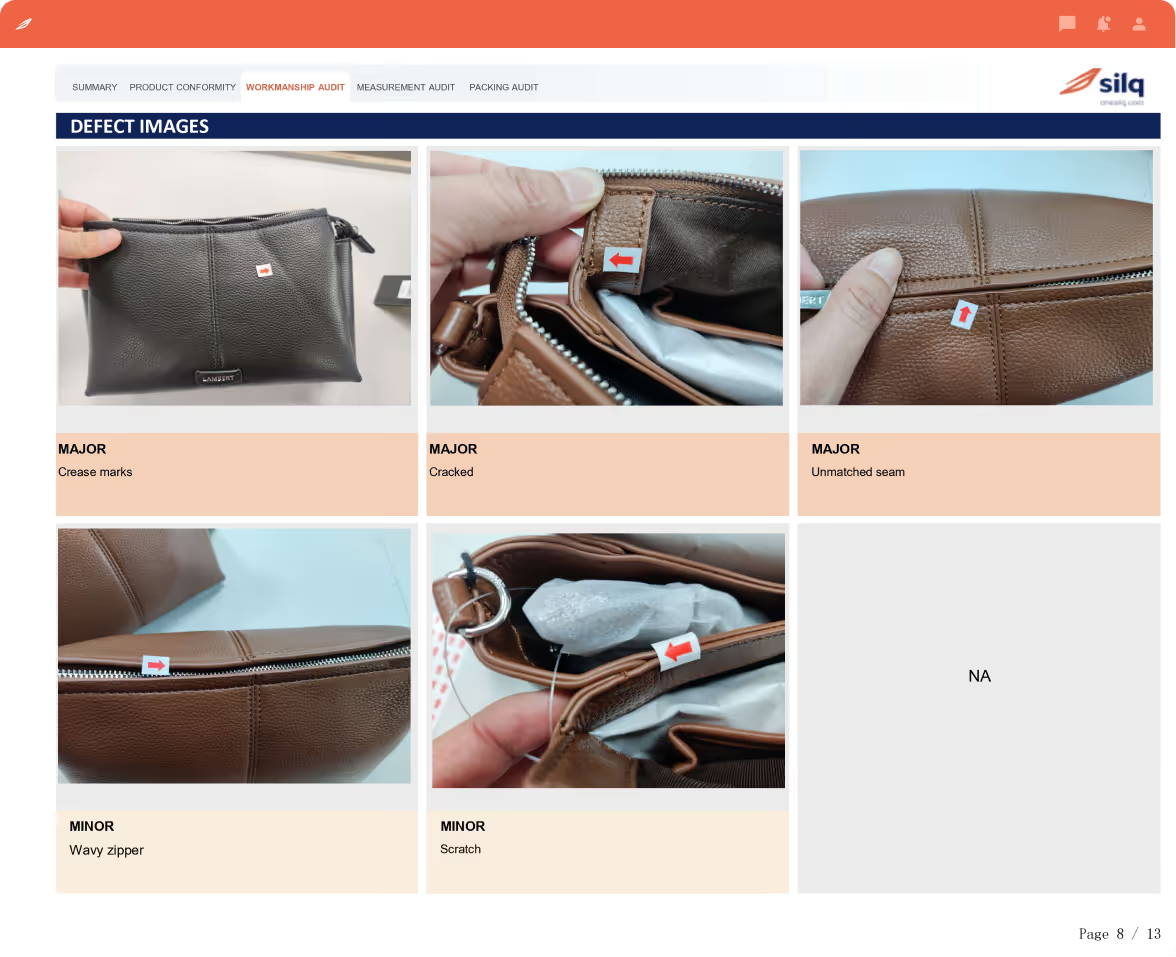
Silq Platform in Action

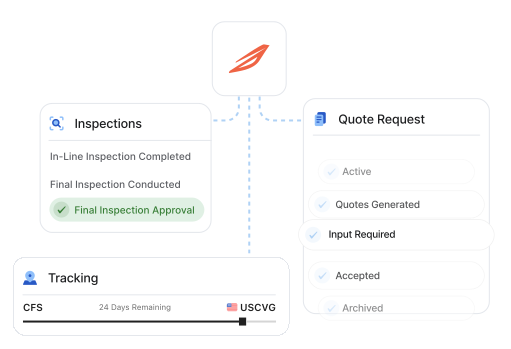
Inspection Summary
Get a clear overview of inspection results with pass or fail status, along with detailed classification of major and minor defects to support faster shipment decisions.
Production Timeline & Status
Monitor real-time updates on inspection progress and track the current stage of your products throughout the inspection and production cycle.
Task Management
View tasks assigned to each product, track their progress, and ensure all required quality checks and follow-ups are completed on time.
Centralized Communication
Keep all comments, updates, and inspection-related queries organized in one place for seamless coordination with your team.
Reports & Documents
Access inspection reports, photos, and supporting attachments in a single location for easy reference and documentation.
| Capability |

|
3rd Party Inspection Services | In-House QC Team |
|---|---|---|---|
| Leather-specific quality control expertise |  |
 |
 |
| Local, qualified inspectors across Asia | |
|
|
| AQL-based sampling aligned with standards | |
|
|
| Standardized inspection across suppliers | |
|
|
| Customized quality control frameworks | |
|
|
| Digital inspection reports (24-48 hrs) | |
|
|
| High-resolution defect documentation | |
|
|
| Centralized dashboard visibility | |
|
|
| Scalable across regions | |
|
|
| Faster turnaround times | |
|
|
| Cost efficiency at scale | |
|
|