

Hardware Inspections | How US Brands Protect Finished Product Quality Before Shipment
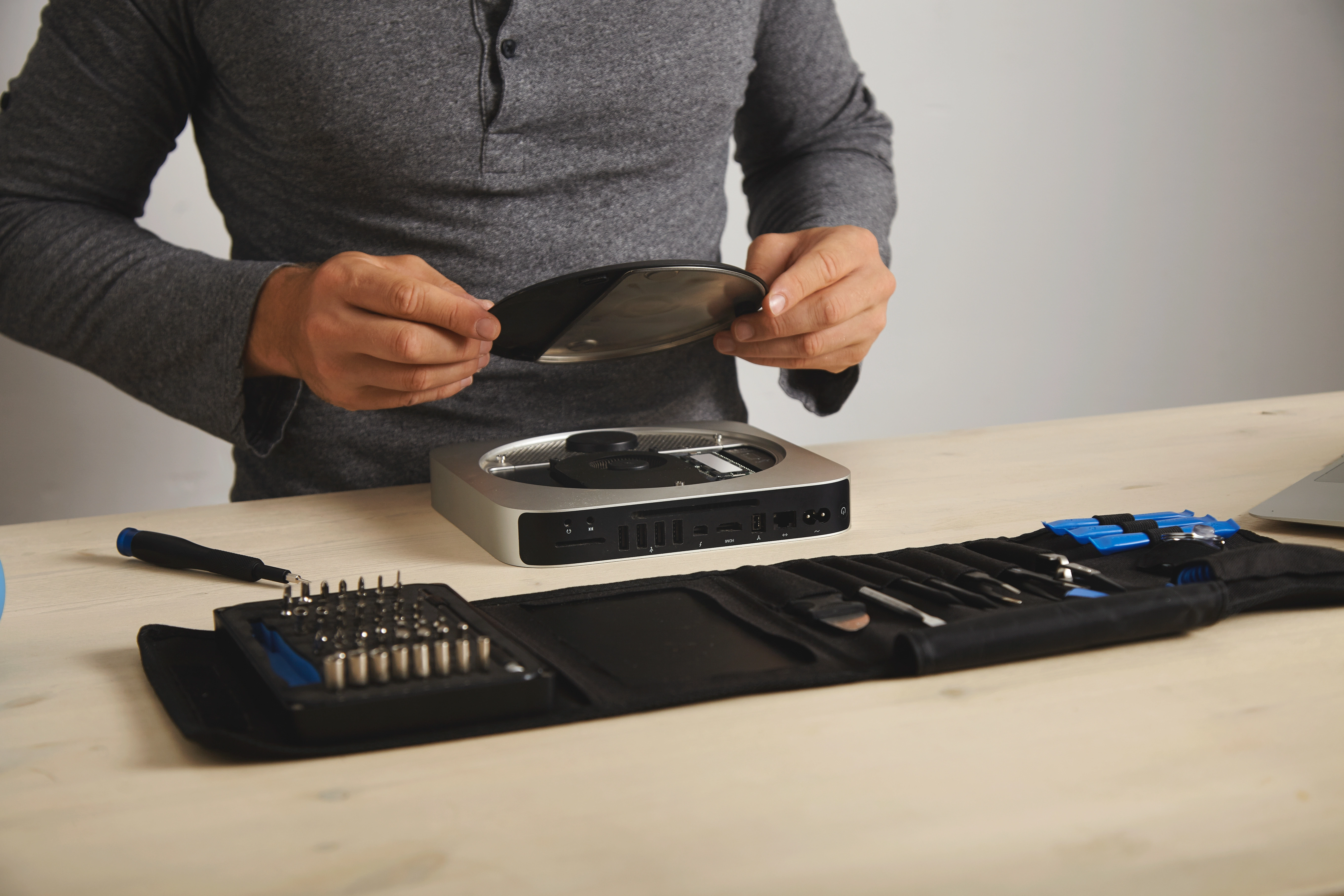


A premium hardware product can look flawless at first glance and still fail a customer within weeks. A loose fastener, early corrosion, subtle deformation, or a weak weld is often all it takes. For US importers, these are not edge cases. They are common, expensive, and entirely preventable.
Hardware inspections at the finished-product stage exist for one reason: to ensure that every piece of hardware inside a product arrives in good working condition, performs as intended, and holds up through shipping, handling, and real-world use. This is where quality becomes visible and where mistakes become public.
What Hardware Inspections Mean at the End-Product Level
A hardware inspection evaluates the physical components built into finished products before shipment. This includes metal parts, fasteners, brackets, hinges, frames, joints, and mechanical assemblies that affect performance, safety, and durability.
For US brands, the inspection process focuses on:
- Whether the hardware is in proper working order
- Whether components match approved specifications
- Whether there are visible or hidden defects that affect the lifespan or safety
- Whether the product will withstand transport and customer use
The goal is straightforward: ship products that function as expected on day one and beyond.
Why Hardware Inspections Matter for US Brands
Defects Are Often Small, but Never Cheap
Most hardware-related complaints are not dramatic failures. They are:
- Products arriving with distortion or visible deformation
- Early wear and tear on moving parts
- Surface corrosion visible right out of the box
- Loose components that worsen after minimal use
Without regular inspections, these issues slip through and surface only after the product reaches the customer.
Downtime Happens After the Sale
For brands, downtime shows up as:
- Inventory holds
- Replacement cycles
- Customer service backlogs
- Delayed launches or restocks
End-product inspections reduce downstream disruption by catching problems before they ship.
Where Hardware Inspections Fit in the Quality Workflow
Hardware inspections are typically performed:
- On-site, after final assembly
- As part of pre-shipment checks
- On finished units or packed goods
They complement earlier quality checks by validating that the final product meets expectations.
Visual Inspection: The First and Most Effective Check
A visual inspection remains one of the most valuable tools in quality control. Trained inspectors look for:
- Surface corrosion or oxidation
- Cracks, dents, or distortions
- Poor finishing around a weld
- Misalignment or loose hardware
These are often customer-visible issues and are among the most common causes of returns.
Checking for Deformation, Distortion, and Structural Issues
Hardware components are assessed for:
- Deformation caused during assembly or packing
- Distortion in frames, brackets, or joints
- Stress points near fasteners or load-bearing areas
Even slight deformation can compromise performance, safety, and perceived quality, especially in premium products.
Read More: Valve Testing: Industrial Safety & Reliability
Weld Integrity and Mechanical Reliability
Weld quality is a frequent inspection focus. Inspectors evaluate:
- Cracks or incomplete welds
- Inconsistent bead quality
- Signs of fatigue or separation
A weak weld may hold during assembly but fail during shipping or customer use, shortening product lifespan and increasing the risk of equipment failure.
Wear, Corrosion, and Finish Durability
Finished products are checked for:
- Early wear and tear on moving hardware
- Coating or plating defects that may lead to corrosion
- Damage caused during handling or packaging
These issues directly affect durability and customer perception.
Hardware Inspections Across Different Product Types
The type of equipment or product determines inspection depth and criteria.
Home, Lifestyle, and Furniture Products
- Hinges, rails, frames, and brackets
- Alignment, movement, and fit
- Cosmetic consistency
Consumer Electronics (Physical Assemblies)
- Structural hardware inside enclosures
- Fastener integrity
- Distortion from assembly pressure
Read More: How to Choose a Third-Party Inspection Service for Ecommerce Brands
Products That Are Hardware by Design
Some US brands sell physical hardware products themselves, such as:
- Shackles
- Chain slings
- Wire rope slings
- Rigging equipment
In these cases, inspections focus heavily on load integrity, deformation, distortion, and safety inspections aligned with applicable safety standards.
Safety Inspections and Quality Expectations
Safety inspections at the end-product stage verify that hardware components do not present avoidable risks during normal use. This includes checking for:
- Sharp edges
- Loose or exposed hardware
- Structural weaknesses
- Potential malfunctions
Many brands align inspection checklists with recognized safety guidelines to ensure consistent outcomes across suppliers and production runs.
Preventing Equipment Failure in Customer Hands
From the customer’s perspective, the product is the equipment.
Hardware inspections help prevent:
- Unexpected malfunctions
- Equipment failure during intended use
- Safety complaints
- Reduced product lifespan
Once products reach the market, recovery options become limited and expensive.
Inspection Checklists: Consistency at Scale
Effective inspection checklists ensure:
- Uniform evaluations across inspectors
- Reduced subjectivity
- Clear documentation of potential issues
A strong checklist typically includes:
- Visual inspection points
- Functional checks
- Hardware fit and alignment
- Packaging-related risks
This structure supports repeatability across shipments.
Read More: Quality Control Playbook for Importers | Silq
Periodic Inspection for Ongoing Production
For repeat production, periodic inspection helps brands monitor:
- Quality drift over time
- Recurring hardware defects
- Effectiveness of corrective actions
This allows teams to adjust specifications and suppliers before problems escalate.
Using Inspection Services for Finished Goods
Many US brands rely on third-party inspection services to:
- Inspect finished products onsite before shipment
- Provide objective reporting
- Protect confidential designs and personal data
- Scale inspections across regions
These services focus entirely on the condition of the product, not production output, making them well-suited for brand-side quality control.
Common End-Product Hardware Issues Inspections Catch
- Loose or misaligned hardware
- Deformation caused during packing or transit
- Corrosion from improper storage
- Distortion after vibration or drop exposure
- Cosmetic damage affecting premium positioning
Catching these early avoids costly repairs and post-arrival remediation.
Preventive Maintenance at the Product Level
For brands, preventive maintenance is informed by inspection findings. It translates into:
- Design refinements
- Material upgrades
- Hardware specification changes
Inspection data feeds directly into smarter product development and sourcing decisions.
The Cost of Skipping Hardware Inspections
Skipping inspections increases exposure to:
- Costly repairs after arrival
- Returns and refunds
- Negative reviews
- Inventory write-offs
The financial and reputational impact is often far greater than the cost of inspection.
End-product hardware inspections are a practical safeguard for US brands selling physical goods. By inspecting finished products before shipment, brands reduce risk, protect customer trust, and ensure every unit arrives in good working condition.
When hardware is part of the product, inspections are not optional; they are a core part of responsible, scalable quality control.
Hardware inspections evaluate the physical components inside finished goods to ensure they are in good working condition before shipment to customers.
They are typically performed onsite during final quality checks or as part of pre-shipment inspections on completed products.
Inspections often catch corrosion, wear and tear, deformation, distortion, poor weld quality, loose hardware, and early signs of equipment failure.
Visual inspection is essential, but it should be combined with functional checks and inspection checklists to uncover hidden or performance-related issues.
Inspection services provide objective assessments of finished goods, help scale inspections across suppliers, and reduce the risk of costly repairs, returns, and malfunctions.




Ready for Supply Chain Predictability?
Importers using Silq ship smarter, safer, and with total control.