

Importing Goods to the USA |A Practical Guide for Supply Chain Managers
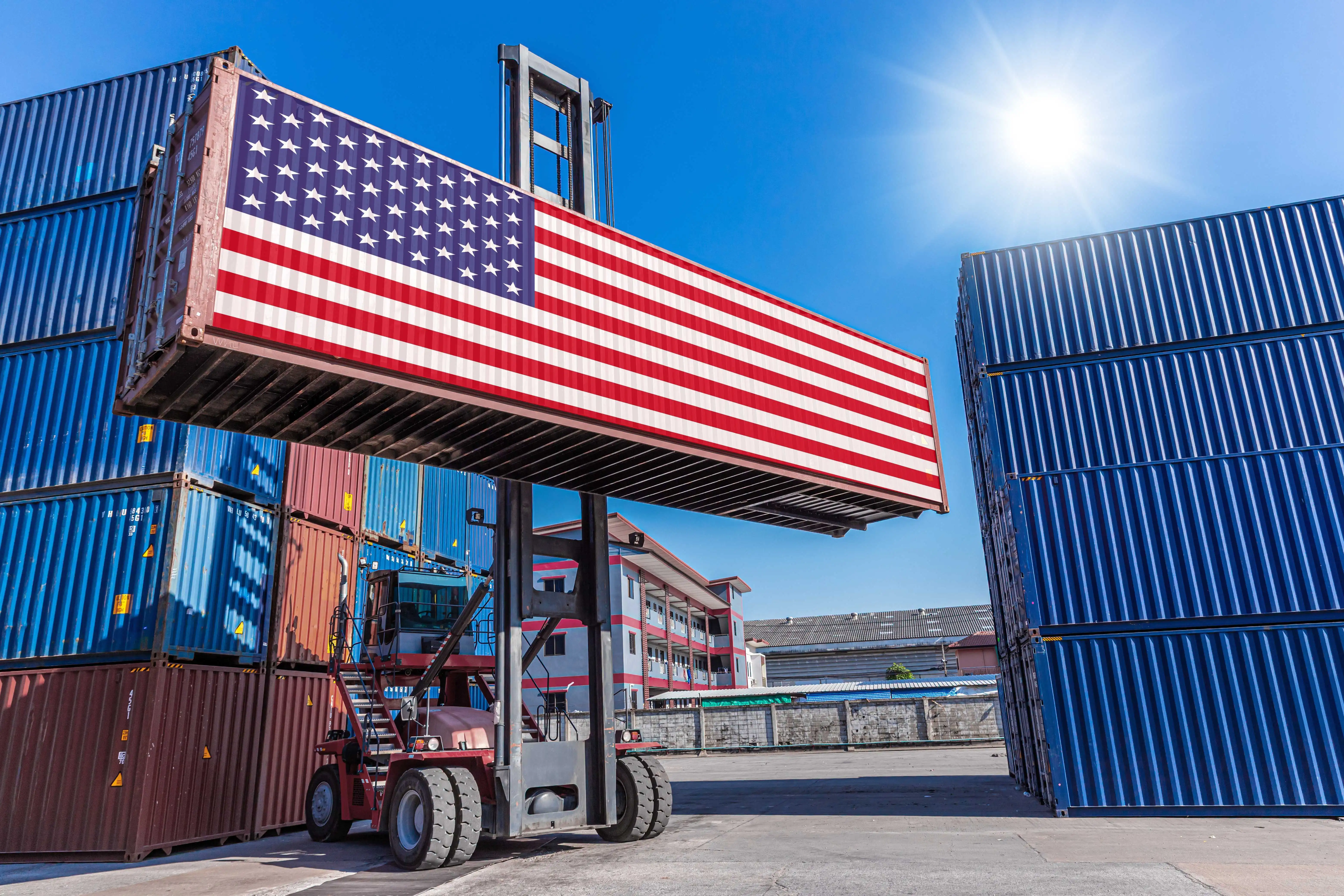


Have you ever wondered what it really takes to import goods profitably into the United States - not just legally, but with resilience, compliance, and cost-efficiency built into your supply chain? For brands producing high-end products, importing isn’t just a line on a P&L: it’s a complex orchestration of compliance, documentation, classification, and risk management.
In FY 2025, U.S. Customs and Border Protection (CBP) processed $3.61 trillion in imported goods across more than 50 million entry summaries, collecting $216.7 billion in duties, taxes, and fees - highlighting the scale and complexity of importing goods into the USA.
This guide cuts through the jargon and gets straight to what logistics and product development leaders need to know about importing goods to the USA in a way that protects margins, minimizes delays, and ensures compliance across government agencies.
Understanding the U.S. Import Landscape
Importing goods to the United States (USA) involves a diverse ecosystem of stakeholders, documentation, and regulatory frameworks. From the moment an overseas supplier books a shipment to the point it reaches your distribution center, every phase has implications for cost, compliance, and timing.
At its core, the import process is governed by U.S. Customs and Border Protection (CBP) - the U.S. government agency responsible for customs clearance, tariff enforcement, and collecting duties. CBP works alongside other government agencies such as the FDA (for food, drugs, and certain consumer products) and the EPA (for environmental compliance), requiring close coordination across functions.
Key Roles: Who Does What in the Import Process
Importer and Importer of Record
The importer is the party responsible for bringing goods into the USA and ensuring they meet all legal requirements. The Importer of Record (IOR) is legally accountable for submitting entry documentation, paying duties, and maintaining compliance with U.S. import regulations. This role can be filled by your company, a freight forwarder, or a third-party service provider.
Customs Broker
A customs broker is a licensed professional who prepares and submits the necessary documentation to CBP on your behalf. Given the complexity of classifications, tariff codes, and duty calculations, an experienced broker is often indispensable, especially when dealing with high-value or highly regulated goods.
Freight Forwarder
Freight forwarders manage the physical movement of goods, coordinate with carriers, handle bill of lading issuance, and work closely with brokers to facilitate smooth customs clearance at the port of entry.
Documentation Essentials in the U.S. Import Process
Accurate documentation is non-negotiable when importing goods. Missing or incorrect information can trigger delays, fines, or even seizure of shipments.
Core documents include:
- Commercial Invoice: Lists the value, country of origin, importer details, and product description.
- Bill of Lading / Air Waybill: The contract of carriage between shipper and carrier.
- HTS (Harmonized Tariff Schedule) classification: A 10-digit code used to determine the duty rate and applicable tariff.
- Certificates of origin and any test reports required by agencies like FDA or EPA.
- Import licenses where applicable (e.g., for controlled goods).
Properly classifying goods under the Harmonized Tariff Schedule of the United States (HTSUS) is vital because the HTS code determines the correct tariff rate, duty amount, and eligibility for exemptions or preferential treatment.
Read More: Free HTS Classification Guide for Importers | Download Now
Tariffs, Duties, and Free Trade Agreements
Duty and Tariff Basics
When goods enter the U.S., CBP assesses customs duties based on the HTS classification and product value. Duty rates vary widely by commodity - from zero on many industrial components to double-digit rates on textiles and specialty goods. USA Customs Clearance
CBP makes the final determination of the duty rate, and it’s typically calculated on the value of the goods (transaction value). If your team underestimates this or misclassifies products, you risk penalties and back duties.
Free Trade and Preferential Treatment
Free trade agreements (FTAs) like the United States–Mexico–Canada Agreement (USMCA) can reduce or eliminate tariffs on qualifying goods. Under USMCA, shipments from Canada and Mexico may enter with lower duty rates or even duty-free status - provided they meet specific origin rules and you appropriately document this in your entry.
De minimis thresholds under USMCA allow low-value shipments (typically under $800 in the U.S.) to enter duty-free and with simplified procedures - though recent policy shifts are tightening these in practice.
Read More: A Guide to De Minimis Threshold Value Ruling
Compliance Cornerstones: Navigating Regulations and Avoiding Pitfalls
CBP and Enhanced Trade Enforcement
CBP’s role extends well beyond collecting tariffs. The agency now actively enforces compliance with trade laws, and recent policy moves have ramped up enforcement actions and audits. This trend underscores the importance of robust internal controls and good documentation.
Regulatory Overlap: FDA, EPA, and Beyond
If you’re importing regulated products - electronics, cosmetics, pharmaceuticals, or consumer goods - multiple United States Government agencies may intersect your supply chain. For example:
- FDA requires registration, labeling compliance, and sometimes pre-market approval.
- EPA oversees chemicals and environmental safety.
- Other agencies (e.g., CPSC, USDA) may regulate specific categories.
Failing to engage with these requirements upstream can cause costly CBP holds or forced reworks when goods arrive.
Strategic Considerations for High-End Goods
Quality Control and Pre-Shipment Inspections
High-value products carry a heightened risk if quality, specs, or compliance requirements aren’t validated before shipment. Incorporating quality control inspection checkpoints - pre-production, in-line, and pre-shipment - not only reduces defects but ensures smoother customs interactions and fewer surprises at the port.
Managing Risk and Avoiding Delays
Proactive planning with your customs broker and freight forwarder can prevent costly mistakes:
- Pre-validate HTS classifications and duty rate implications.
- Confirm country of origin declarations early.
- Align on documentation requirements for FDA/EPA regulated lines.
Consider filing for advance rulings with CBP for complex commodity classifications - it provides certainty on duty treatment before goods arrive.
Importing Goods to the USA Requires Precision and Expertise
Importing goods into the United States is far more than a paperwork exercise; it’s a strategic process that impacts cost, time-to-market, and compliance risk. For professionals responsible for supply chain efficiency, product integrity, and quality assurance, mastering the nuances of tariffs, duty rates, documentation, and agency requirements isn’t optional - it’s essential.
Invest in strong internal processes, partner with seasoned customs brokers and freight forwarders, and build compliance checks into your SOPs. When you do, importing becomes a predictable and efficient part of your global operations - not a source of uncertainty.
Yes. High-value and branded goods often receive closer review due to valuation risk, IP concerns, and regulatory oversight, making documentation accuracy and compliance critical.
A customs broker is not legally mandatory, but for commercial shipments, regulated goods, or complex HTS classifications, working with a licensed broker significantly reduces compliance risk.
The U.S. de minimis threshold is generally $800, allowing low-value shipments to enter duty-free with simplified processing, though enforcement and eligibility vary by product and origin.
Country of origin determines eligibility for free trade agreements, tariff rates, exemptions, and exposure to trade remedies such as Section 301 or antidumping duties.
For high-end goods, inspections should occur before shipment, not after arrival, to avoid customs delays, rejected inventory, and downstream brand risk.






Ready for Supply Chain Predictability?
Importers using Silq ship smarter, safer, and with total control.