

Why Third-Party Inspection of Production Facilities is Essential



The manufacturing process is a cornerstone of global supply chains, significant enough to make or break your bottom line. Many businesses implement various strategies to optimize their production process. One of those is the third-party inspection of production facilities.
Product quality is no longer negotiable, it’s everything. One faulty batch or overlooked defect can lead to returns, lost revenue, product recalls, and reputational damage that takes years to rebuild. Plus, for small and mid-sized businesses that lack the means to build on-site quality assurance (QA) teams, third-party inspections are a smart and scalable way to stay in control.
In this article, we’ll break down eight reasons why third-party inspections are a strategic move for brands that value quality, transparency, compliance, and customer trust.
What Is a Third-Party Inspection?
A third-party inspection is an independent evaluation of a production facility, manufacturing process, or product batch, carried out by certified inspectors who are not affiliated with the factory or supplier. These inspections are conducted by third-party inspection agencies like Silq that offer unbiased assessments and expert evaluations to ensure compliance, quality control, and risk reduction.
Depending on the inspection scope, an assessment may include a factory audit, product inspection, documentation review, visual inspection, functional testing, or verification against specific product specifications and tolerances.
Whether it’s ensuring that your goods meet international standards or verifying production consistency before shipping, third-party inspectors serve as the last line of defense between you and preventable product failures.
Why Are Third-Party Inspections Essential for Production Facilities?
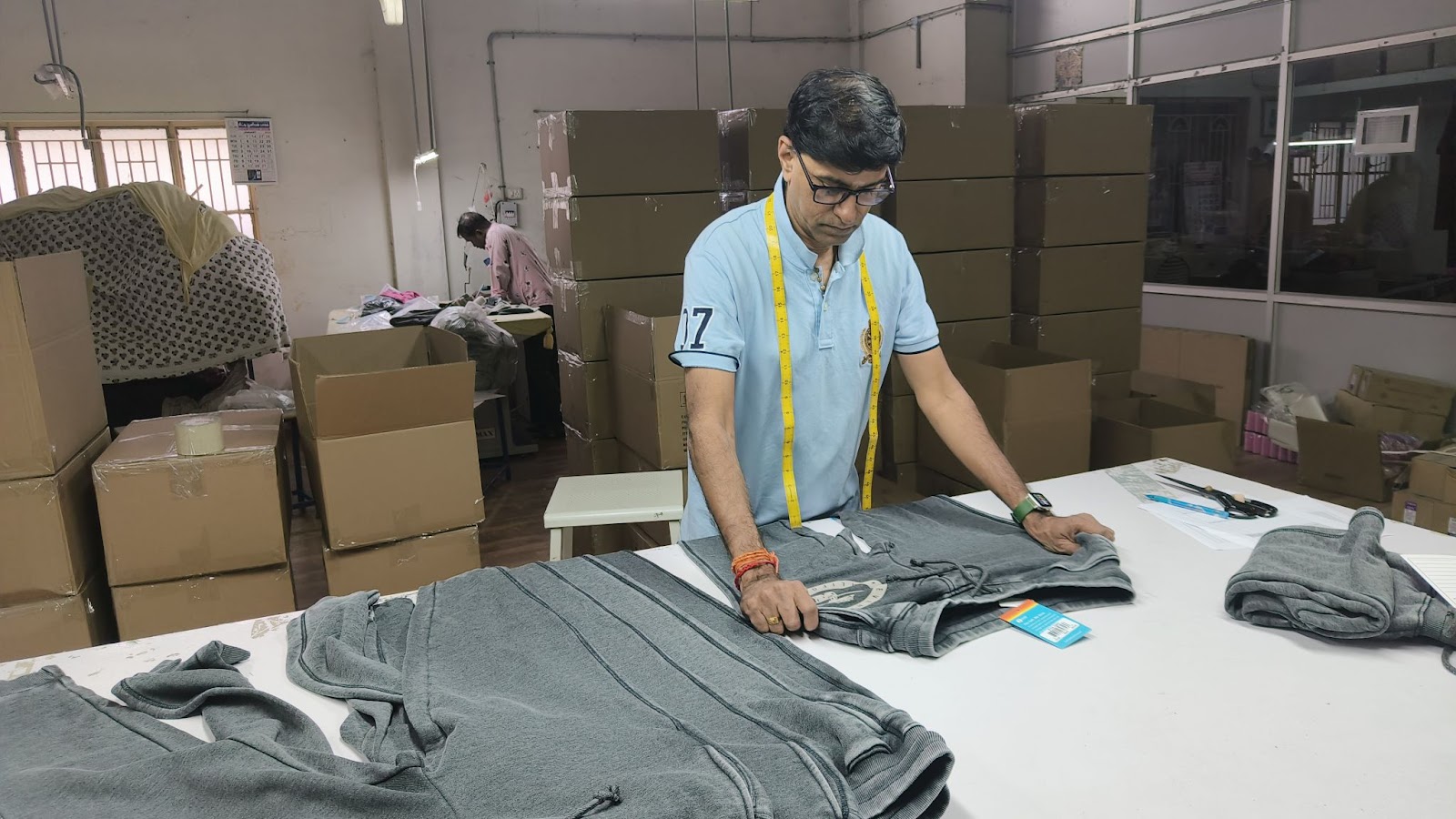
For categories like apparel, home furnishings, and consumer goods, factory inspections verify stitching, finishes, labeling, packaging, functionality, and overall workmanship. Third-party inspectors ensure your product matches specifications before it ships, helping you prevent defective products, meet retailer requirements, and protect your brand from avoidable quality failures.
1. Unbiased Quality Control
Internal teams may face conflicts of interest when approving borderline batches. A third-party inspector, however, has no stake in the outcome and isn’t influenced by factory relationships or internal pressure. They offer an objective, independent assessment of your product’s quality, workmanship, and readiness to ship.
These unbiased assessments are particularly valuable when brands work with multiple suppliers or factories. Inspectors can evaluate production against defined quality standards, industry standards, approved samples, specifications, and acceptable tolerances rather than relying solely on supplier-reported information.
Third-party inspectors also bring specialized knowledge and experience across various industries, allowing them to identify inefficiencies, compliance gaps, and potential risks that could otherwise go unnoticed. This impartial evaluation helps maintain manufacturing standards, optimize production workflows, and ultimately reduce costly errors or delays.
2. Risk Prevention Through Early Detection
Third-party inspections happen at critical stages of the inspection process: pre-production, during production, and pre-shipment. These touchpoints allow brands to catch issues before they escalate and require expensive fixes later.
A pre-production inspection (PPI) can verify raw materials, components, production plans, approved samples, and manufacturing readiness before mass production begins. A during production inspection provides visibility into workmanship and production consistency while goods are still being manufactured.
Finally, a pre-shipment inspection evaluates finished products before they leave the factory. These checks can include visual inspection, measurements, workmanship, packaging, labeling, and functional testing, depending on the inspection scope.
For instance, a final inspection occurring at the critical completion stage before shipment helps ensure products meet defined specifications and global AQL standards.
Read More: When Should You Inspect a Shipment | QC Frequency & Timing
3. Scalable Oversight for Global Supply Chains
For companies sourcing from overseas, distance can blur visibility. Third-party inspection agencies like Silq bridge this gap by placing local, certified inspectors on-site.
These inspectors conduct product quality inspections in real time, upload findings through a centralized platform, and deliver an inspection report within 24-48 hours. This creates a consistent layer of oversight across suppliers and manufacturing locations without requiring brands to maintain their own quality teams in every sourcing market.
For companies focused on supply chain management, this visibility makes it easier to identify production issues, evaluate supplier performance, and take corrective actions before problems affect shipments.
4. Compliance Confidence
Whether you’re selling DTC or through retail partners, meeting regulatory requirements and retailer-specific inspection requirements is critical. Inspections help verify product specifications, safety standards, labeling accuracy, documentation, and compliance before goods leave the factory.
Third-party inspections provide independent verification that production is meeting those requirements in practice. For manufacturers operating under ISO 9001 or ISO 9001:2015, inspections can complement internal quality processes by providing additional visibility into production performance and supplier compliance.
Third-party inspection and compliance services can also help brands verify that products align with applicable regulatory requirements, contractual specifications, and customer expectations.
For example, Silq’s quality control inspections can reveal inefficiencies in the packaging process that contribute to damage during transit. Silq inspectors offer solutions to optimize packaging systems to better protect items during shipping, resulting in fewer shipping-related complaints and damaged goods.
5. Improved Speed-to-Market and Fewer Delays
Contrary to common misconceptions, third-party inspections don’t slow down your operations, they accelerate them. By identifying and resolving issues early, you avoid last-minute surprises that can delay shipments or cause you to miss seasonal product deadlines.
Inspections ensure that products meet defined specifications before leaving the facility, significantly reducing the need for rework and improving shipping timelines. When defects are identified early, brands can work with suppliers on corrective actions while production is still underway instead of discovering problems after goods have shipped.
This also minimizes expensive adjustments, reduces waste, and safeguards you against potential returns or product recalls.
For shipments requiring additional oversight, inspection programs can also include container loading supervision to verify that approved goods are properly loaded, packaged, and secured before the container leaves the factory.
Looking to optimize your DTC operations and reduce returns? Check out this free guide for importers.
6. Consistency at Scale
If you’re sourcing from multiple factories or countries, maintaining consistent quality can be a challenge. Third-party inspections standardize your QA process across locations, ensuring your specifications are met every time.
A standardized inspection program establishes a consistent inspection scope across suppliers, including product specifications, acceptable tolerances, visual quality requirements, packaging standards, and functional requirements.
For lean teams or businesses without in-house QA staff at the factory, third-party inspection companies like Silq act as your eyes on the ground. You get photo documentation, inspection reports, and real-time data to make fast, informed decisions.
This consistency is particularly valuable when conducting supplier evaluations. Instead of evaluating suppliers only on cost or production capacity, brands can use inspection findings to understand manufacturing performance and identify recurring quality issues.
7. Operational Due Diligence
Silq on-ground factory audits also include a review of the manufacturer’s profile, facilities, equipment, and working conditions. This helps assess the factory’s reliability, capacity, and adherence to labor laws, certifications, and environmental regulations, giving you a fuller picture of your supply chain partner’s performance.
As part of supplier evaluations, brands can review manufacturing capabilities, quality processes, production controls, and supporting documentation. This documentation review can help identify gaps before a supplier becomes a larger operational risk.
For brands with established quality systems, third-party inspections can also provide an additional layer of verification against internal requirements, contractual specifications, and applicable industry standards.
8. Protecting Brand Reputation and Customer Trust
Poor products happen. But when poor products become common rather than the rare exception, they become a problem for everyone involved. That is when they start to impact brand reputation and customer trust.
Defective products can result in returns, negative reviews, retailer disputes, lost sales, and, in serious cases, product recalls. A strong inspection program helps identify quality issues before they reach customers, reducing the likelihood that a preventable manufacturing problem becomes a brand-level crisis.
However, poor products do not build a bad reputation alone. A poor production process almost always has longer lead times, leading to slow shipping or delays in getting the goods to the carrier after booking. This has significant financial implications for the business.
Third-party inspection companies take time to review the equipment, processes, and people involved in the entire process, ensuring a better and more reliable manufacturing system.
Inside the Third-Party Inspection Process
Here’s how a typical third-party inspection unfolds:
- Plan Review: An inspector reviews product specifications, approved samples, quality requirements, and relevant documentation to establish the inspection scope.
- Scheduling: The inspection company coordinates with production teams to conduct inspections at the right moments, whether before production, during production, or before shipment.
- On-Site Execution: Certified inspectors assess factory conditions, in-process goods, finished products, packaging, and production processes. Depending on the product, inspections may include visual inspection, measurements, functional testing, and verification against defined tolerances.
- Inspection Report Delivery: Clients receive a detailed inspection report that includes visual evidence, defect classifications, pass/fail summaries, and recommendations.
- Corrective Actions: In the event of failed inspections or identified issues, corrective actions are recommended and re-inspections can be arranged to verify that identified defects have been addressed.
- Final Shipment Verification: Where required, pre-shipment inspections and container loading supervision provide an additional checkpoint before goods leave the facility
Read More: 5 Factory Inspection Mistakes & Best Practices for Quality Control
The Silq Advantage: A Smarter Inspection Workflow
Silq is redefining how modern importers approach inspections. With over 300 local certified inspectors across Asia, Silq conducts inspections directly on the factory floor, offering real-time visibility through an integrated tech platform.
This allows supply chain professionals to monitor inspections, get alerts, review inspection findings, and gain better predictability into their shipments’ ETAs.
Silq’s inspection workflow supports a range of quality control requirements, including pre-production inspections, during production inspections, pre-shipment inspections, factory audits, product inspections, and specialized product testing where required.
Clients also benefit from:
- Flexible scheduling
- Fast turnaround with 48-hour report delivery
- A certification program to verify inspector qualifications
- Standardized inspection processes across suppliers and sourcing countries
- Detailed inspection reports with photo documentation
- Support for special inspections across product categories
- Visibility into corrective actions and follow-up inspections
For brands managing complex global supply chains, this creates a scalable approach to quality management without requiring a dedicated QA team at every factory.
If you’re responsible for your company’s quality assurance program, Silq’s inspection services are built to keep your operations lean and your products consistent.
Invest in Confidence
For logistics professionals managing premium supply chains, third-party inspections are a smart insurance policy. They help verify quality standards, support regulatory compliance, reduce costly rework, and protect your brand reputation at every stage of the production cycle.
Instead of relying solely on factory promises or post-production fixes, integrate third-party inspections into your quality control workflow.
From pre-production inspection and during production inspection to pre-shipment inspection, each checkpoint gives brands greater control over quality and a clearer view of supplier performance.
The result is a more proactive approach to quality management - one that helps identify defective products earlier, strengthen supplier relationships, reduce operational risk, and build greater confidence in every shipment.
Bonus: Looking to tighten your QA process? Silq Edge offers qualified importers $1,200 in inspection service credits through a free consultation package. Start building smarter, safer supply chains today.
Not usually. Most third-party inspections aren’t legally required, but they’re often needed to meet retailer requirements, certification programs, or internal QA standards. For high-value goods, they’re a smart safeguard to ensure quality, compliance, and brand protection.
Each report covers defect types, severity, compliance scores, photos, and pass/fail status.
Silq offers inspections for consumer products, packaging, production lines, and more, all led by certified third-party inspectors with expertise across industries.



Ready for Supply Chain Predictability?
Importers using Silq ship smarter, safer, and with total control.