

Mastering Air Freight: Tips for E-Commerce Success
.jpg)


Recent trends in the logistics sector underscore this importance. Despite facing headwinds such as global economic fluctuations and varying regional demands, the air cargo industry has maintained its critical role as a significant revenue stream for airlines.
This resilience is a testament to the sector's adaptability and its ability to meet diverse logistical needs. For instance, the year-over-year decline in air cargo rates, which began in September 2022, continued into 2023. However, the rates still remained elevated above pre-pandemic levels, reflecting the sustained demand for air freight services. Additionally, certain regions like Latin America witnessed growth in cargo tonne-kilometers (CTKs) early in 2023, indicating a potential rebound and underscoring the regional variations in air cargo demand.
Amidst these evolving landscapes, businesses are increasingly looking towards air freight for reliable, efficient supply chain solutions. From best practices in packaging and documentation to innovative solutions for cost optimization and real-time tracking, we’ll explore how companies can leverage air freight to meet their logistical challenges head-on.
Suggested Best Practices and Cost Optimization in Air Freight

Efficiency in air cargo shipping hinges on a multitude of factors, from precise labeling and packaging to astute cost management. Below are some suggested best practices for making the most of every air freight shipment.
Labeling and Packaging for Air Cargo: Effective labeling and packaging are key to air cargo efficiency. Proper labeling, including clear markings on two sides with shipper and receiver details, ensures smooth transit through various stages and prevents delays, particularly in international shipping. A comprehensive commercial invoice is also crucial for expedited customs clearance.
For packaging, while ideal for single-use in air freight, corrugated boxes can become problematic with repeated use, as they will inevitably begin to lose their structural integrity over time. Sourcing optimal cushioning materials like bubble wrap to protect the contents without significantly increasing weight is crucial for cost-effective air freight.
Cost Considerations in Air Freight: Cost optimization in air freight isn't just about choosing the cheapest option; it’s about understanding and leveraging the nuances of air cargo. For instance, the concept of chargeable weight, which factors in both the size and weight of the shipment, dictates the cost. This makes it essential for shippers to pack their cargo compactly and efficiently.
Consolidated air freight presents a strategic option for cost savings. By combining shipments with others, businesses can enjoy the speed and reliability of air freight at a reduced cost. This approach not only offers the lowest available cost for air freight but also entails lower handling fees at the destination compared to other shipping methods, such as ocean freight.
Enhancing Efficiency through Smart Practices: Beyond these basics, shippers can employ additional strategies to streamline their air freight process. These include selecting the right type of pallets to avoid damage and delays, understanding and adhering to customs requirements to prevent hold-ups, and being mindful of the specific needs and restrictions of their cargo, especially if it includes hazardous materials.
Leveraging a Third-Party Logistics Provider (3PL): Partnering with a 3PL can be a game-changer for businesses looking to optimize their air freight shipping. 3PLs like Silq have established relationships with carriers and can negotiate better shipping rates due to their volume of business. They also offer a wealth of expertise in logistics management, providing tailored solutions that can streamline the shipping process, reduce costs, and improve overall efficiency. This strategic partnership allows businesses to benefit from the 3PL's network and experience, enhancing their competitive edge in the marketplace.
These practices, combined with strategic planning and optimization, enable businesses to navigate the complexities of air freight shipping, ensuring their products are delivered in a timely, cost-effective, and secure manner.
Navigating E-Commerce Logistics in the Health and Wellness Industry
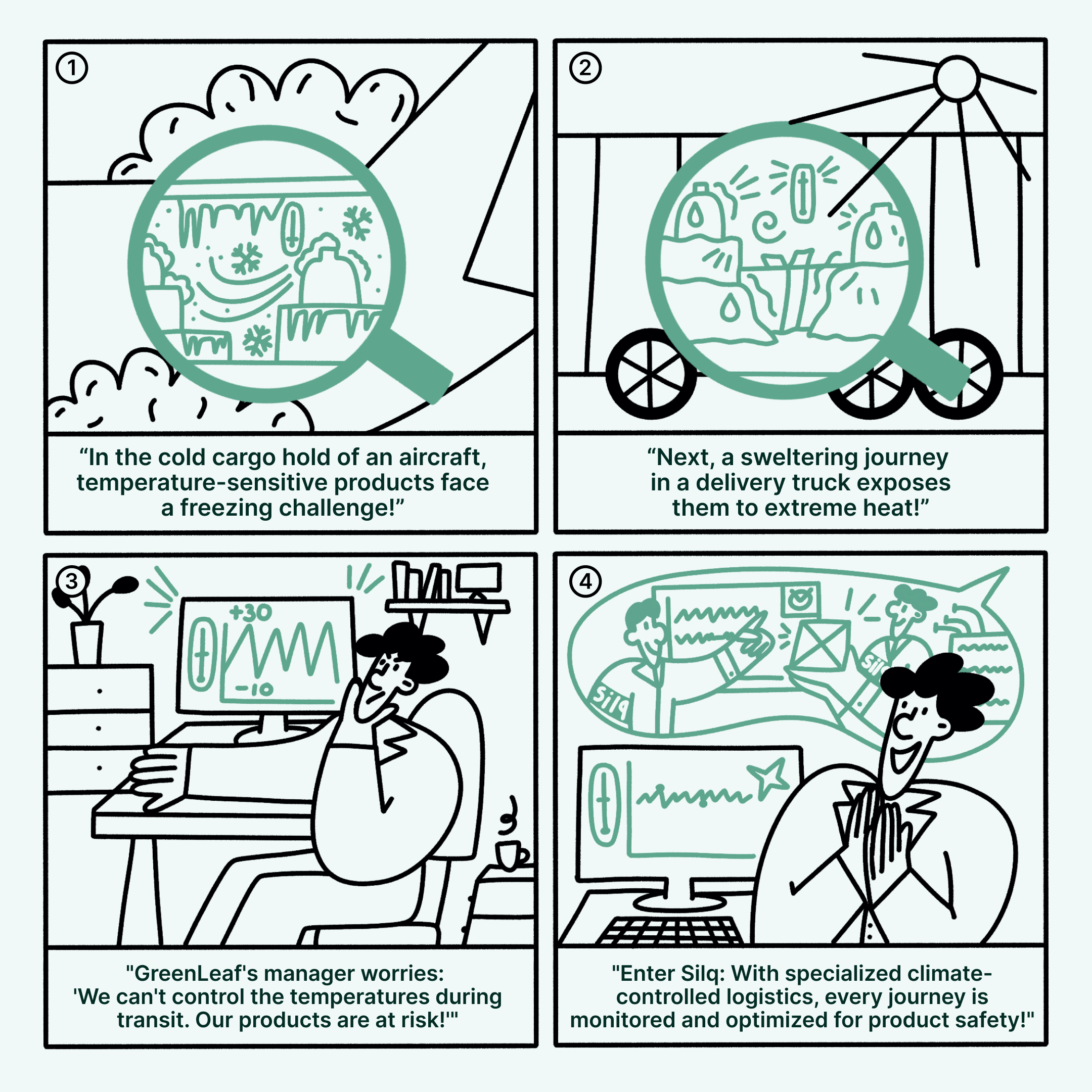
Challenge 1: Temperature-Sensitive Products and Inconsistent Delivery Times
One of the key challenges is managing the logistics of temperature-sensitive products, such as probiotics and certain herbal supplements. Inconsistent delivery times and varied climate conditions during transit jeopardize product quality, leading to customer dissatisfaction and potential product wastage.
Silq's Solution: Specialized Climate-Controlled Logistics
Silq provides a tailored solution with their specialized climate-controlled logistics services. This includes the use of advanced temperature monitoring and insulated packaging, ensuring that products maintain their efficacy throughout transit. Additionally, Silq's efficient routing and reliable delivery schedules minimize transit times, reducing the risk of product degradation.

Challenge 2: Efficiently Managing High-Demand Products and Inventory Surges
Another significant hurdle is managing the inventory surges, especially during peak wellness seasons when certain products were in high demand. This led to stockouts and overstocking issues, causing a ripple effect in their supply chain efficiency.
Silq's Solution: Dynamic Inventory Management and Forecasting Tools
To address this, Silq introduces dynamic inventory management and forecasting tools. These solutions provide real-time insights into stock levels, demand patterns, and replenishment schedules. By aligning the supply chain operations with market demands, Silq can help you efficiently manage inventory, ensuring availability without overstocking.
Make the Most of Air Freight with Silq
In an era where speed, reliability, and adapairectability are key, Silq emerges as a valuable ally for businesses navigating the complexities of air freight and supply chain management. Its suite of advanced logistics services positions companies for success, ensuring they remain competitive and responsive in the dynamic world of e-commerce. For businesses seeking to refine their logistics strategies, Silq represents a step towards a streamlined, efficient future in global trade.
Air freight provides fast transit times, ensuring quicker deliveries for time-sensitive e-commerce shipments.
Optimizing packaging, consolidating shipments, and leveraging freight tech platforms like Silq help cut costs.
High shipping costs, customs clearance delays, and capacity constraints are major hurdles.
Silq’s platform provides an integrated tech platform, real-time tracking, flexible flight schedules, and customs support for seamless shipping.
Pricing transparency, technology capabilities, carrier network, and customs expertise are key selection criteria.





Ready for Supply Chain Predictability?
Importers using Silq ship smarter, safer, and with total control.