

Global Trade Unraveled: Debunking Myths with Silq's Innovative Solutions
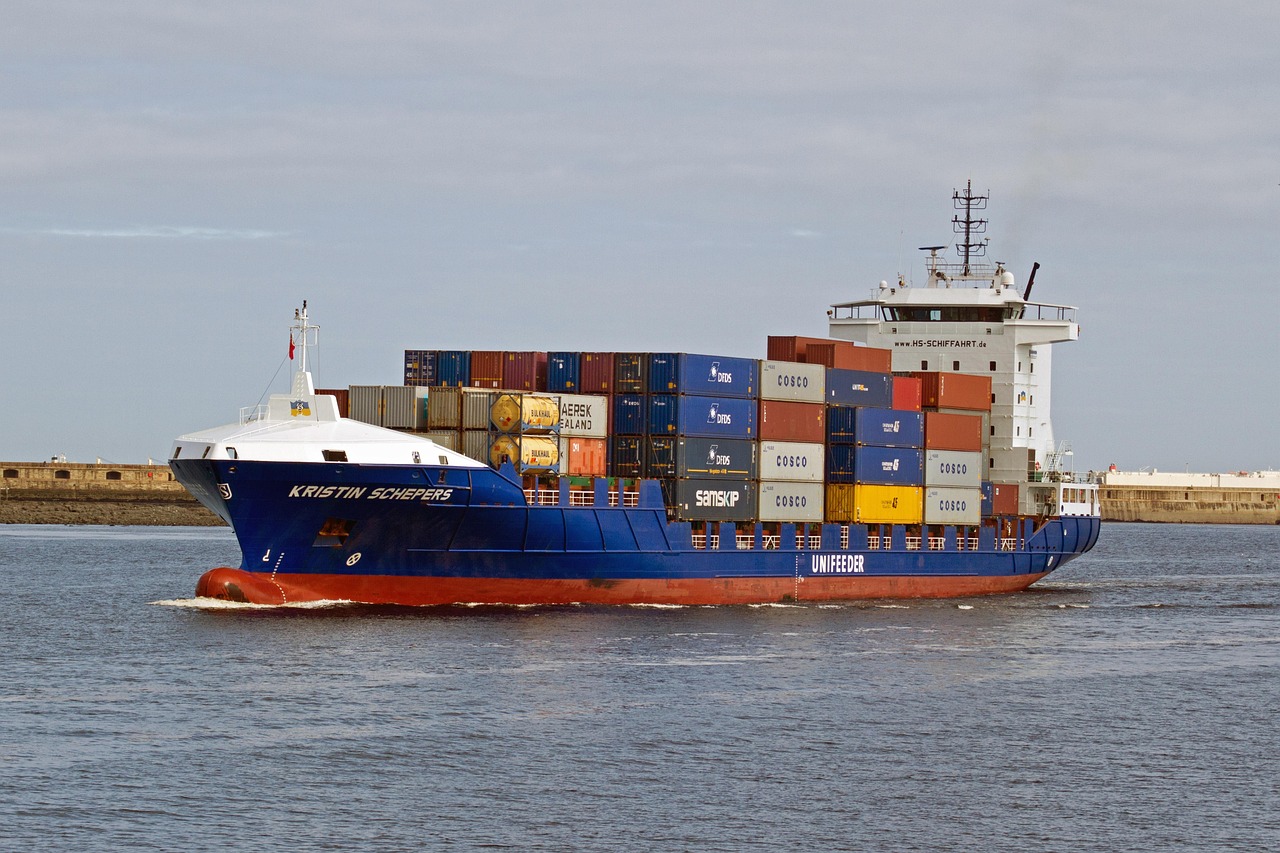


In recent years, the narrative surrounding globalization has been tinged with skepticism. A prevailing consensus suggests that globalization has peaked and is now in decline, a belief bolstered by the observation that trade as a share of global output reached its zenith in 2008 and hasn't recovered since. This viewpoint, however, faces a significant challenge from emerging data that paints a different picture.
New research by economists Sharat Ganapati and Woan Foong Wong offers a compelling counter-narrative: despite the dip in trade value, the actual movement of goods—measured in ton-kilometers—has surged dramatically, suggesting that more goods are traveling further than ever before. This contradiction poses a crucial question: is globalization truly receding, or are we witnessing its transformation? In this blog, we delve into this paradox and explore what it means for the world of shipping and logistics.
The Reality of Globalization Today

As we delve deeper into the state of global trade, the numbers tell a tale that defies the common narrative. The World Bank data reveals a steep ascent in the importance of trade, with the ratio of exports and imports to global GDP climbing from 38% in 1990 to 61% by 2008. This period is often hailed as the golden age of internationalism, marked by significant events like the fall of communism, the establishment of the World Trade Organization in 1995, and China's entry into the WTO in 2001.
However, the 2007-09 global financial crisis cast a shadow of doubt over the future of globalization. As economies worldwide recoiled, questions about the wisdom of pursuing globalization emerged. Yet, the story doesn't end there. A novel index introduced by Ganapati and Wong shifts the focus from the dollar value of trade to the ton-kilometer, a metric favored in transportation circles for measuring the total distance traveled by freight multiplied by its total weight.
Surprisingly, their findings show that while the trade share of GDP may have peaked in 2008, ton-kilometers of trade leaped by 49% from 55 trillion in 2008 to 82 trillion in 2019, outstripping the growth of global inflation-adjusted GDP by 18%. This increase in ton-kilometers of trade, even amidst a stagnating trade value, suggests that globalization's heartbeat remains strong, albeit in a transformed manner.
Challenges in International Trade

The evolving landscape of globalization presents a myriad of challenges in international trade, especially in shipping and logistics. Understanding these challenges is crucial for companies like Silq that are instrumental in navigating these complexities:
- Production Delays: Unforeseen delays on the factory floor can ripple through the entire supply chain, disrupting schedules and causing significant delivery delays.
- Rolled Shipments: Often, even the largest forwarders cannot prevent carriers from 'rolling' shipments – a situation where cargo is bumped to a later sailing date, leading to unpredictable delivery times.
- Logistical Errors: The relay race of carriers, brokers, and documentation in international shipping is prone to errors. Missteps in planning and execution can lead to costly delays and miscommunications.
- Price Fluctuations in Commodities: The changing prices of raw materials, like the dramatic price differences between lithium and consumer electronics, impact the economics of shipping.
- Shift in Trade Composition: The move towards trading more raw materials and fewer finished goods alters the dynamics of shipping, necessitating different strategies and logistics.
- Supply Chain Disruptions: Increased distances in global trade networks amplify the risks of supply chain disruptions, making the logistics more complex and critical.
Each of these challenges contributes to the intricacies of modern global trade and underscores the need for innovative solutions and adept handling by companies in the shipping and logistics sector.
How to Navigate Trade Challenges with Silq
- Challenge 1: Production Delays
If your product launch is at risk due to unpredictable delays at their supplier's factory - Silq's on-site inspectors can provide real-time updates on the production status, enabling you to adjust their schedules proactively and keep the launch on track.

- Challenge 2: Rolled Shipments
If you face the frustration of rolled shipments, Silq's Shared Container Load (SCL) can help you pool shipments in consistent weekly sailings, ensuring products move on time, every time, reducing the uncertainty of delivery schedules.

- Challenge 3: Logistical Errors
The complexity of shipping routes often leads to documentation errors and miscommunications. Silq's approach to customizing workflows for each project means that every step of the shipping process is meticulously planned and tracked, leaving no room for errors.

- Challenge 4: Adaptation to Commodity Price Fluctuations
The varying costs of components can significantly affect your bottom line. Silq's expertise in managing diverse cargo types means cost-effective shipping solutions that account for these fluctuations, helping you manage your expenses more effectively.
.jpeg)
- Challenge 5: Shift in Trade Composition
As you diversify your product range to include more raw materials, Silq's flexible shipping solutions seamlessly accommodate these changes, ensuring that raw and finished goods are transported efficiently.

- Challenge 6: Mitigating Supply Chain Disruptions
The extended reach of your supply chain can pose a risk of disruptions. Silq's global network and robust shipping strategies ensure that even when disruptions occurr, alternatives are quickly implemented, keeping your operations smooth and uninterrupted.

Navigating the Future of Global Trade: Embrace Efficiency with Silq
Despite prevailing narratives, the expanding volume and reach of international trade underscore a not-so-subtle truth: globalization isn't retreating; it's evolving. In this constantly shifting landscape, companies like Silq emerge as pivotal allies, transforming complex logistical challenges into streamlined successes. Our innovative approach exemplifies the kind of ingenuity and reliability that will define the future of your global commerce.


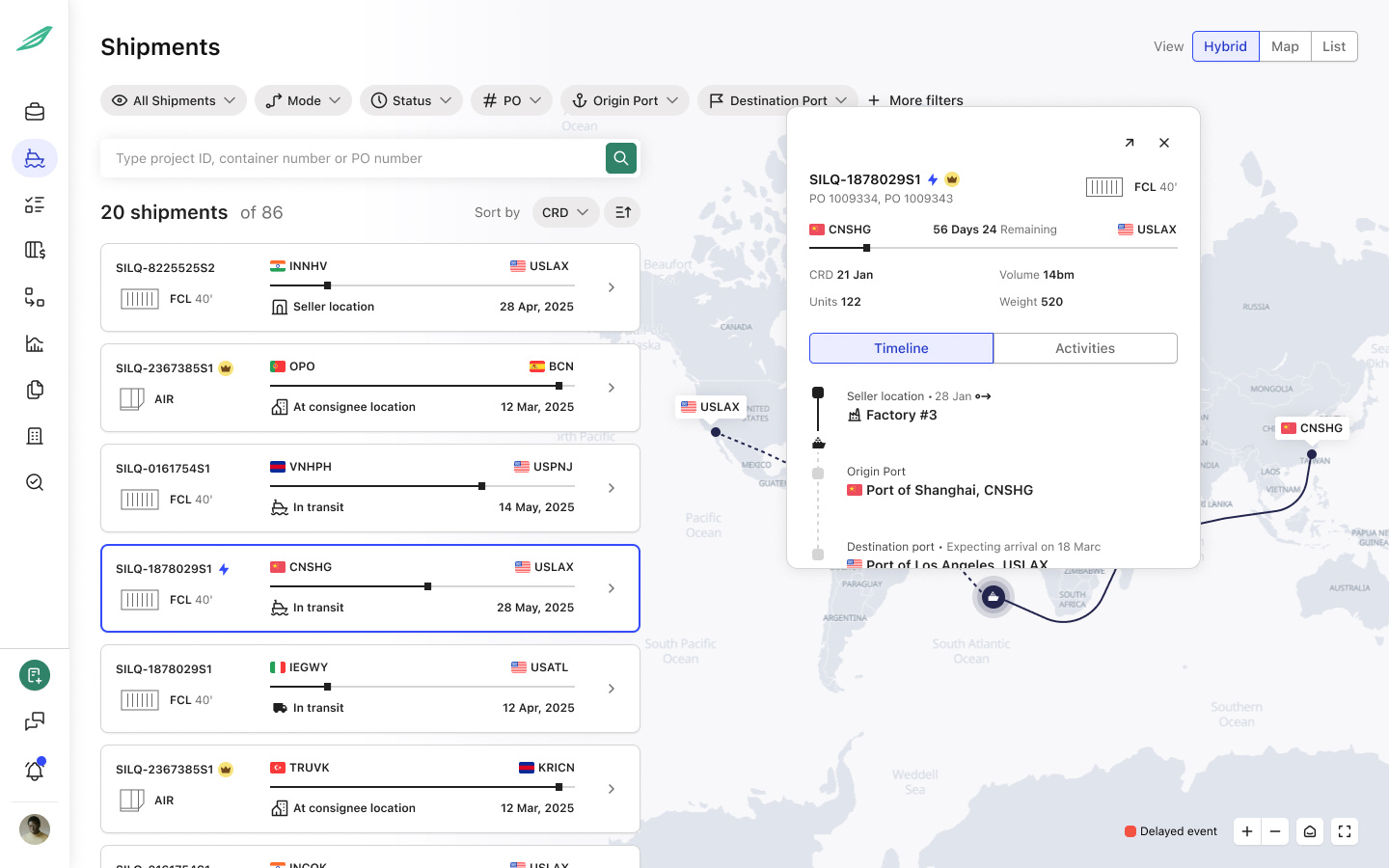



Ready for Supply Chain Predictability?
Importers using Silq ship smarter, safer, and with total control.